


Beyond Standard Fasteners: Exploring China's Diverse Manufacturing Capabilities
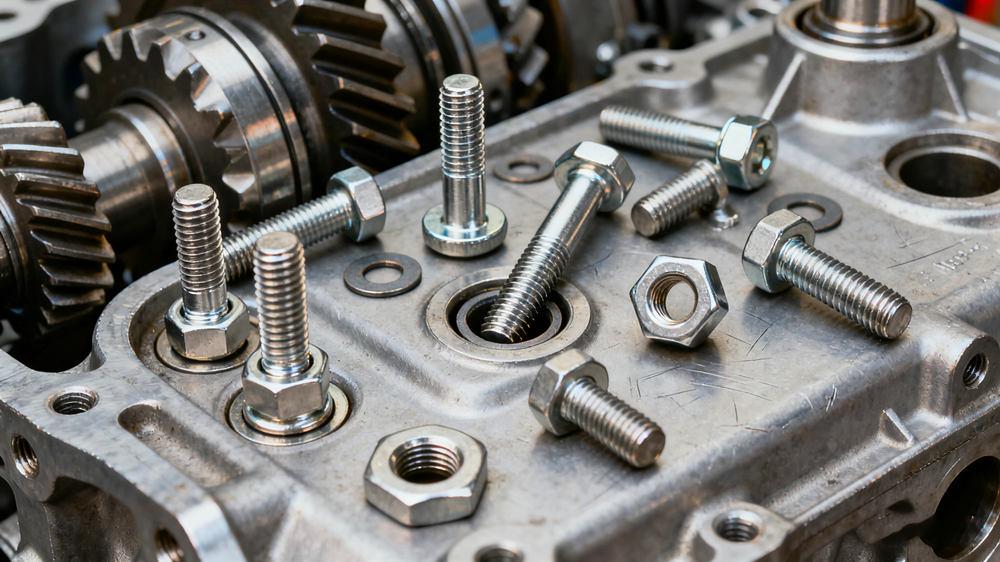 From everyday bolts and nuts to precision components and customized fastening solutions, China's fastener industry offers a wide range of products for different industrial applications.
When sourcing fasteners, buyers often start with familiar products such as bolts, nuts, screws and washers. However, the requirements of modern manufacturing go far beyond standard components.
Different industries need different fastening solutions. Automotive manufacturers may require high-strength and precision fasteners, while construction projects depend on reliable structural connections. Machinery, electronics, energy and other industrial sectors also have their own requirements for materials, dimensions, performance and production standards.
China's fastener manufacturing industry has developed a broad product range and supporting industrial capabilities to serve these diverse needs.
More Than Bolts and Nuts: A Wider Range of Fastener Products
Standard fasteners remain an important part of the market, but they represent only one part of the industry's manufacturing capabilities.
Chinese manufacturers produce a wide variety of fastening products, including:
- Standard Fasteners: Bolts, nuts, screws, studs, washers, threaded rods and rivets.
- High-Strength Fasteners: Components designed for applications requiring specific mechanical properties and load-bearing performance.
- Automotive Fasteners: Specialized fastening components used in vehicle assembly, chassis systems, engines and other automotive applications.
- Special and Non-Standard Fasteners: Customized components manufactured according to specific dimensions, drawings or technical requirements.
- Precision Components: Small or complex metal parts requiring controlled dimensions and consistent production quality.
This diversity gives international buyers more options when looking for products that match their particular applications.
Different Industries, Different Fastening Requirements
Fasteners are essential across a wide range of industries, but their functions and performance requirements can vary considerably.
Automotive Manufacturing
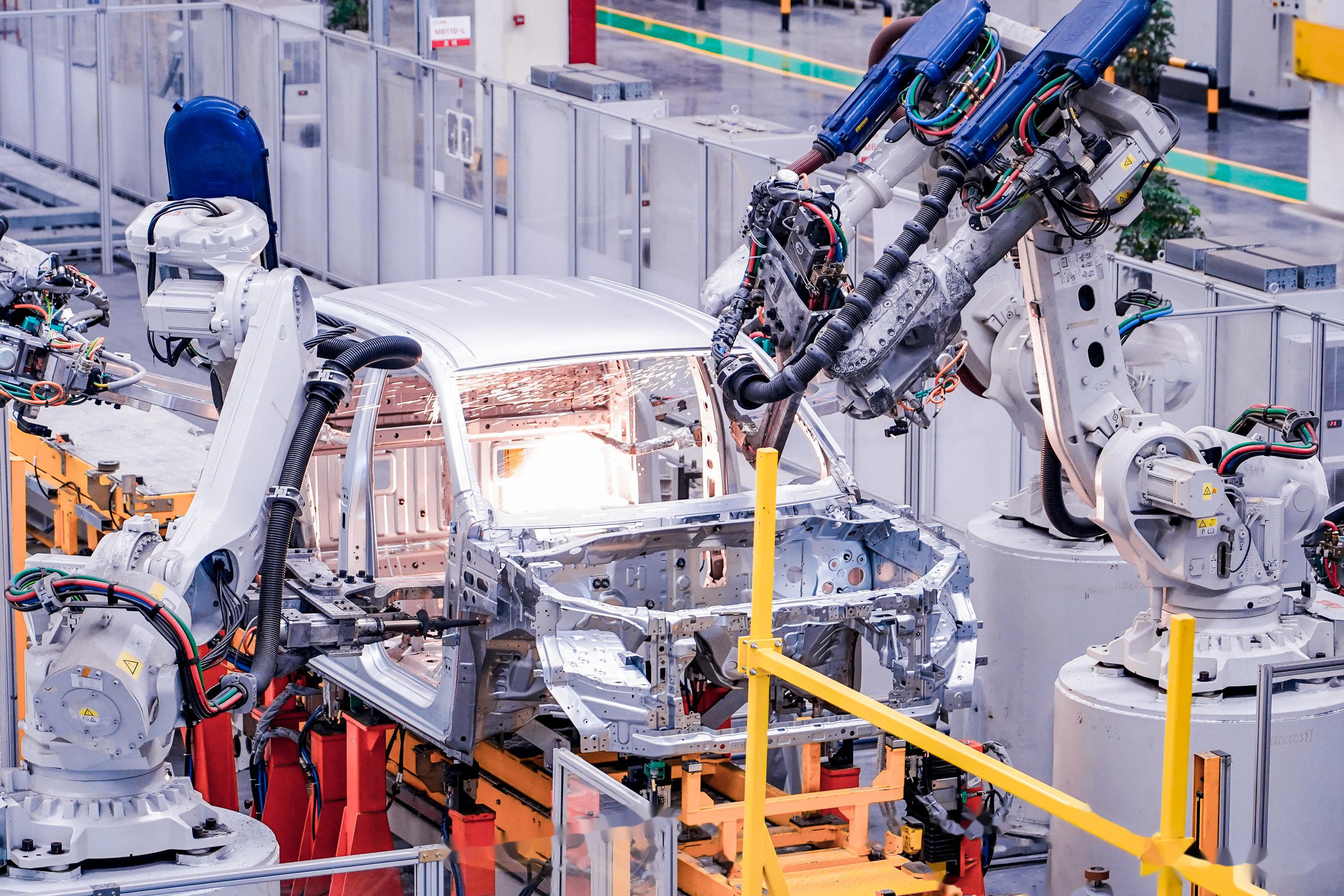
Automotive applications require fasteners that meet specific requirements for strength, dimensional accuracy, durability and assembly performance. As vehicle technologies continue to evolve, manufacturers also need components adapted to changing designs and production processes.
Machinery and Industrial Equipment
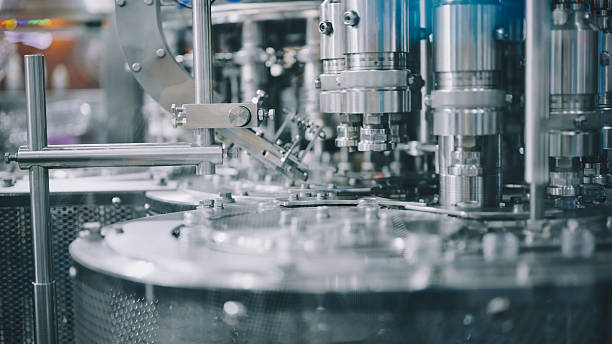
Industrial machinery often relies on fasteners that can withstand vibration, mechanical loads and demanding operating conditions. High-strength bolts, precision components and customized parts are among the products used in this sector.
Construction and Infrastructure
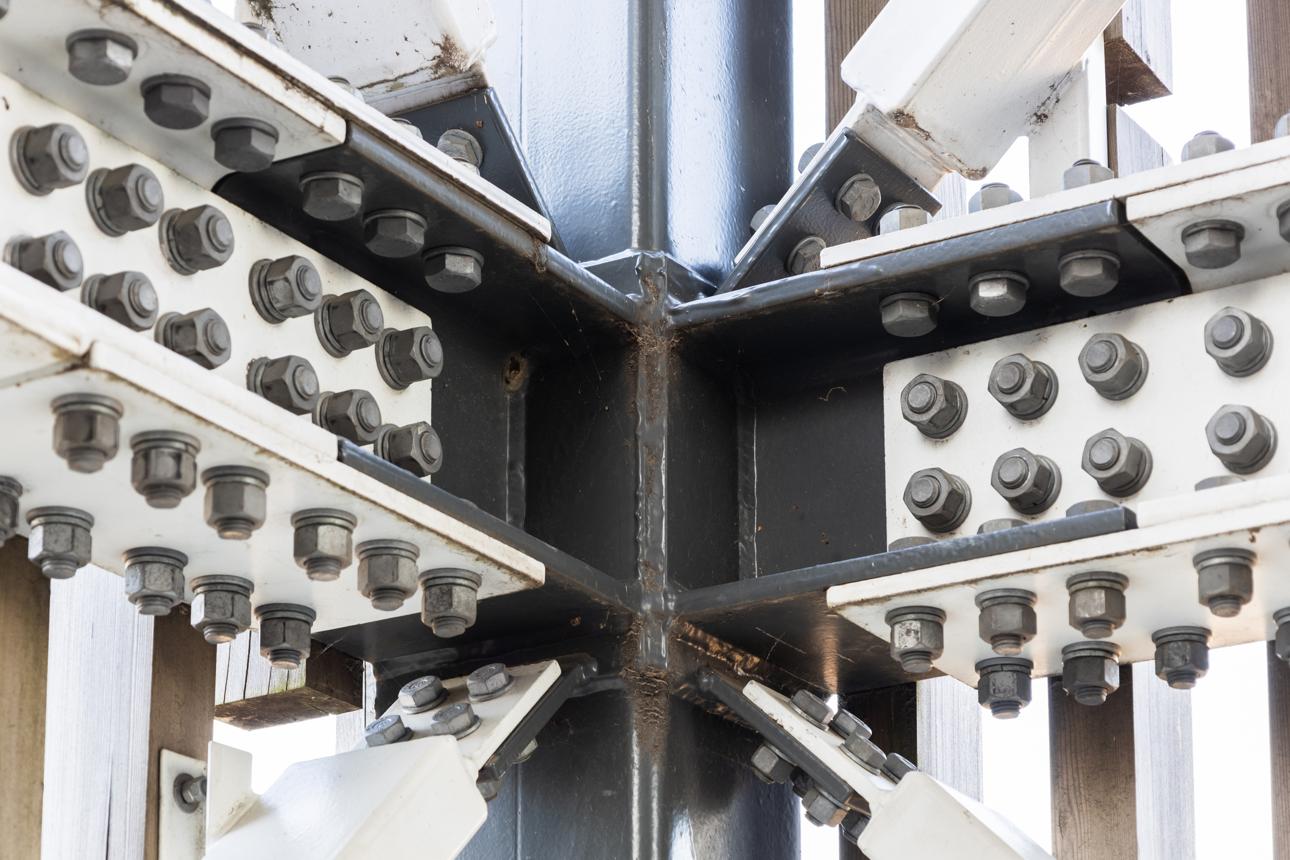
Construction projects use a wide range of fastening products, from standard bolts and nuts to structural fastening systems and anchor bolts. Reliability, material selection and corrosion resistance are important considerations.
Electronics and Electrical Equipment
Smaller components, precision screws and specialized fastening solutions are widely used in electronic devices and electrical equipment, where dimensions and assembly requirements can be particularly demanding.
These applications demonstrate why buyers should look beyond product names and consider the technical requirements of their industries.
From Standard Production to Customized Manufacturing
Not every fastening requirement can be met by an off-the-shelf product.
For certain projects, buyers may need specific dimensions, materials, thread types, strength grades or surface finishes. Some components must also be manufactured according to customer drawings, samples or particular application conditions. Depending on their equipment and technical capabilities, manufacturers may offer processes such as cold heading, hot forging, thread rolling, CNC machining, heat treatment and surface finishing.
Quality inspection is another important part of production. Dimensional checks, hardness testing, tensile testing and coating inspections can help verify whether products meet the required specifications. For overseas buyers, understanding a supplier's actual manufacturing processes and quality-control capabilities is an important step in evaluating potential business partners.
What Should Buyers Consider When Selecting a Chinese Supplier?
A wide product range provides more choices, but finding the right supplier still requires careful evaluation.
Before starting a sourcing project, international buyers may consider several factors:
- Product specialization: Does the manufacturer have experience with the required product type and application?
- Technical specifications: Can the supplier meet the required standards, materials, dimensions and performance requirements?
- Customization capability: Can the manufacturer work with technical drawings or specific project requirements?
- Quality management: What inspection procedures and quality-control systems are in place?
- Production and delivery: Can the supplier meet the required order quantities, lead times and packaging requirements?
Comparing these factors can help buyers identify manufacturers that are better suited to their sourcing needs, rather than choosing suppliers based on price or product listings alone.
China's fastener industry offers more possibilities than many buyers may expect. But beyond the products and manufacturing capabilities, where should international buyers go to explore these opportunities? In our next article, we'll take a closer look at Shanghai — why it has become an important destination for international business visitors and why it is worth including in your 2027 business travel plans.









Please first Loginlater ~