

UK CBAM Enters Key Legislative Stage as Carbon Border Adjustment Mechanism Progresses Toward Implementation

Recently, the UK Government has published the second draft of secondary legislation and accompanying technical documents for the UK Carbon Border Adjustment Mechanism (UK CBAM), marking a further step in the transition of the mechanism from policy design to detailed implementation.
According to the latest plan, the UK CBAM is scheduled to take effect on 1 January 2027. The current stage focuses on the refinement of secondary legislation and technical consultation. The latest documents primarily address technical aspects of implementation, including the monitoring, reporting and verification (MRV) framework for greenhouse gas emissions, methodologies for carbon emissions calculation, the definition of system boundaries, and requirements for the reporting and management of embedded emissions in imported goods.
In parallel, the UK Government has published a CBAM system boundaries document, which further clarifies the scope and methodology for carbon accounting across different products and production processes, aiming to ensure consistency and comparability in emissions calculations.
The UK CBAM is designed to reduce the risk of carbon leakage by adjusting the carbon cost of imported goods based on their embedded emissions, thereby ensuring a more level playing field between domestic and international producers in terms of carbon pricing. The mechanism is initially expected to cover carbon-intensive sectors such as steel, aluminium, cement, fertilisers, and hydrogen, with potential for gradual expansion over time.
The focus of this round of secondary legislation has shifted towards improving the operability and clarity of implementation rules, with consultations directed at importers that will be required to comply with the system. This represents an important stage for stakeholders to provide feedback before the mechanism is formally implemented.
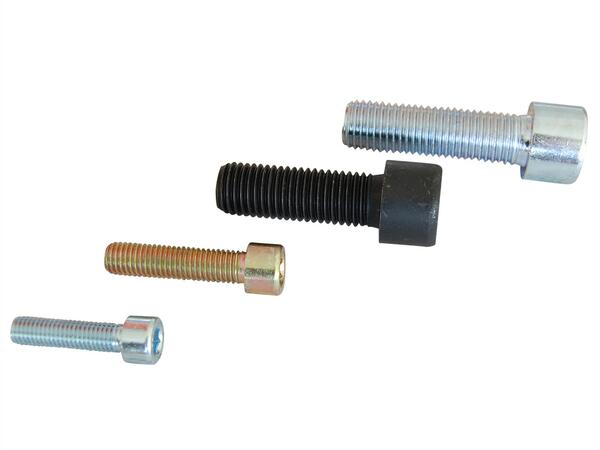
As the UK CBAM progresses, carbon emissions data management is becoming an increasingly important component of international trade compliance. For the fastener industry, although products are not currently included in the initial scope of direct coverage, indirect impacts are expected due to the sector’s reliance on carbon-intensive base materials such as steel.















Please first Loginlater ~