

Manufacturing Trends Set to Reshape the Fastener Industry in 2026
As global manufacturing enters a decade defined by volatility, digital transformation, sustainability pressures, and rapid technological advancement, industry trends are becoming increasingly strategic in nature.
For the fastener sector, these shifts are reshaping how companies design products, optimize production, manage workforce challenges, and support OEMs across aerospace, energy, medical, petrochemical, automotive, and industrial markets.
Intelligent Automation Redefining Production
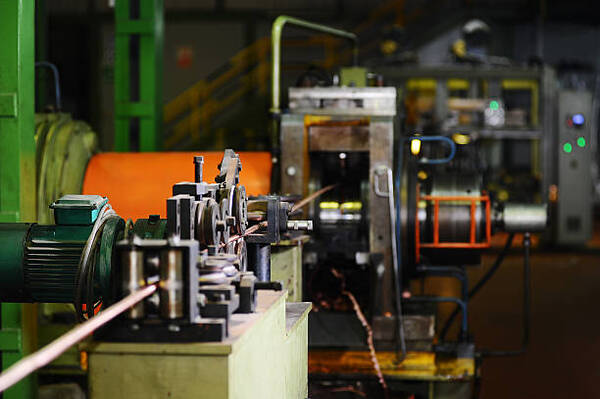
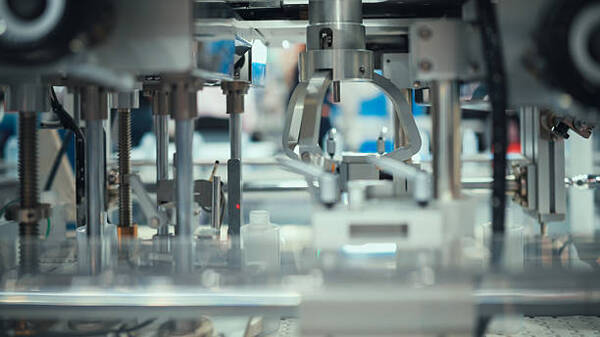
Automation has evolved from a future initiative into a present necessity. Manufacturers are accelerating the adoption of intelligent automation by integrating robotics, AI-driven inspection, and closed-loop quality control systems.
In the fastener industry, this transformation is particularly critical for high-precision applications such as aerospace, medical, and high-spec industrial components. At the same time, AI-enabled systems are enhancing real-time decision-making on the shop floor, improving efficiency while helping to address labor constraints.
Material Innovation Driving Performance
Advancements in material science are enabling manufacturers to meet growing demands for stronger, lighter, and more corrosion-resistant solutions.
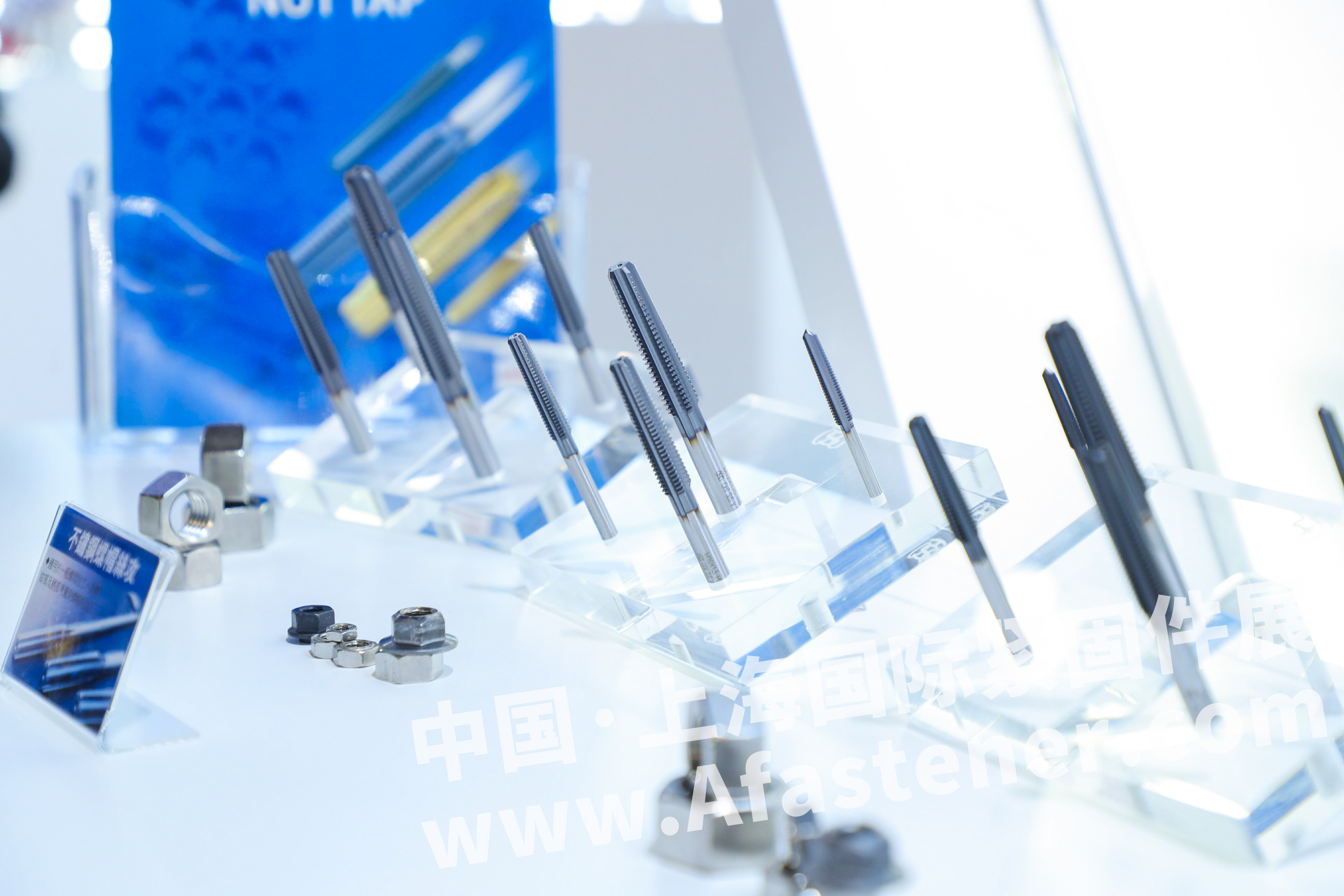
By 2026, the use of advanced alloys, composites, and engineered metals is expected to expand significantly, particularly in applications such as titanium fasteners for aerospace and medical use, high-nickel alloys for petrochemical and offshore environments, and high-strength materials for energy and industrial equipment. In addition, advanced surface treatment technologies, including anodizing and heat treatment, are further enhancing product performance. These developments are strengthening the ability of fasteners to perform reliably in increasingly demanding environments.
Supply Chain Reconfiguration Accelerates
Following multiple global disruptions, manufacturing supply chains are shifting from a cost-driven model to a resilience-focused approach. Companies are improving stability through supplier diversification, shorter lead times, and increased regionalization of production.
This shift is creating new opportunities for manufacturers that can deliver consistent quality, fast response, and strong technical support, particularly in highly regulated sectors such as aerospace, energy, and defense.
Sustainability Becomes a Core Metric
Driven by regulatory changes and evolving customer expectations, sustainability is becoming a key factor in manufacturing strategies. Companies are increasingly adopting low-waste production models, energy-efficient operations, recyclable materials, more responsible sourcing practices, and environmentally friendly finishing processes. Environmental performance is also becoming an important criterion in supplier evaluation.
Workforce Transformation and Digital Skills
The manufacturing workforce is undergoing a structural transformation. As digitalization advances, demand for skills in automation, data analytics, and robotics continues to grow.
At the same time, shop floor operations are becoming more digital, supported by smart tools, digital work instructions, and augmented reality technologies that improve productivity and consistency.
Advanced Quality Systems Becoming Standard
Industries such as aerospace, medical, and energy are raising expectations for product quality, traceability, and inspection capabilities. Manufacturers are responding by implementing machine vision inspection, automated metrology systems, and digital traceability, while integrating quality control with ERP and MES systems to enhance compliance, customer confidence, and long-term competitiveness.
Customer Expectations Shift Toward Customization and Speed
Customer demand is evolving from standardized products toward more customized solutions, alongside increasing expectations for faster delivery and responsiveness.
Manufacturers are adapting by improving flexible production capabilities, strengthening engineering collaboration, and enhancing digital customer engagement to better meet these changing requirements.
Industry Trends and the Role of Trade Exhibitions
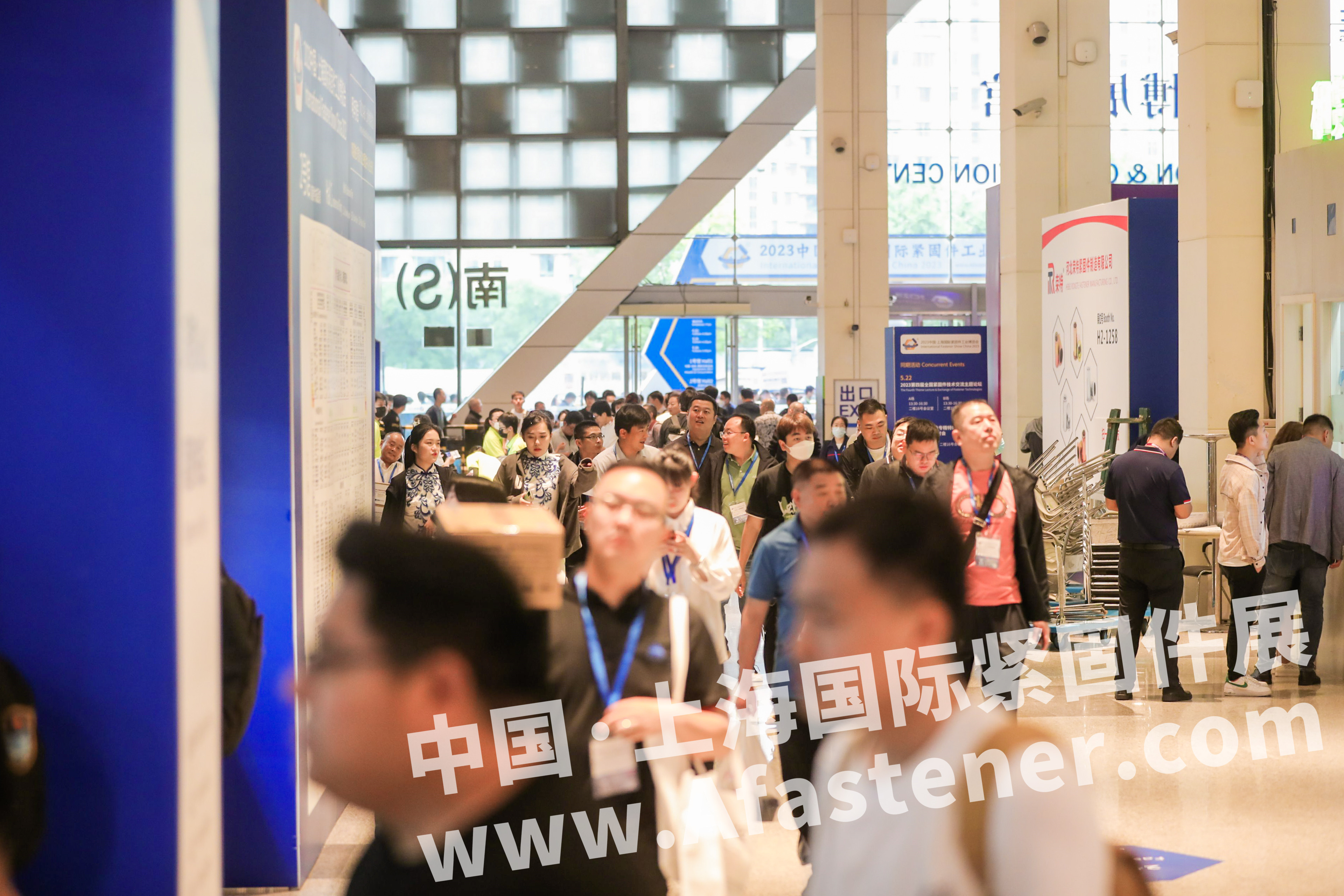
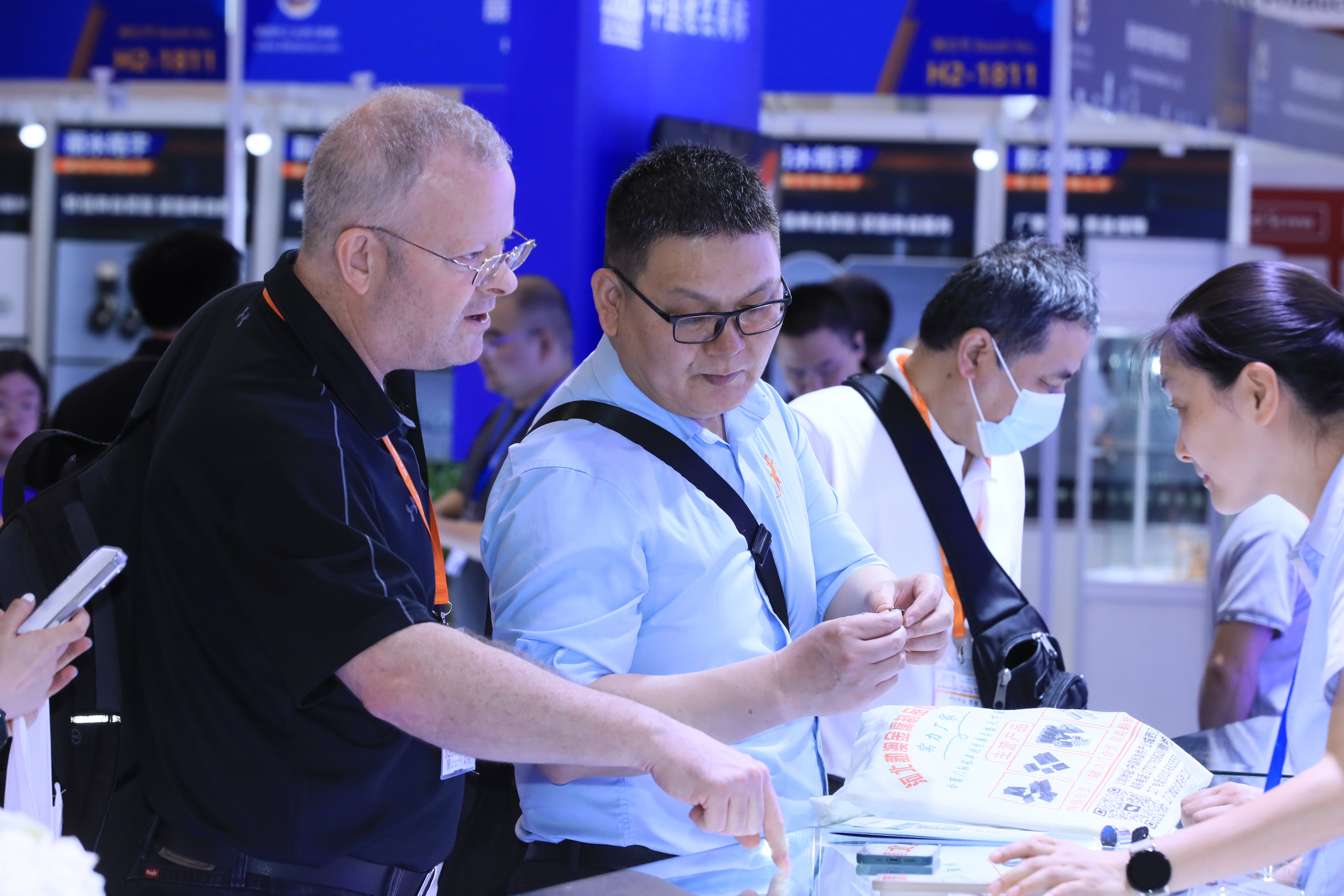
As these industry trends continue to evolve, trade exhibitions are playing an increasingly important role in connecting supply chain participants and showcasing innovation. Through face-to-face interaction, companies can gain deeper insights into emerging technologies, material developments, and supply chain strategies.
Industry-focused exhibitions provide valuable platforms for networking, knowledge exchange, and business collaboration, helping companies stay aligned with market developments.
Outlook for 2026
Overall, the fastener industry is expected to continue evolving toward greater automation, customization, and sustainability. Companies that can adapt quickly, invest in advanced technologies, and strengthen supply chain capabilities will be better positioned to succeed in an increasingly competitive global environment.
As an important platform for industry exchange, International Fastener Show China will bring together companies from across the fastener and manufacturing supply chain to showcase the latest products and technologies, while providing valuable opportunities for communication and collaboration. The exhibition will support businesses in gaining market insights, expanding international connections, and exploring new partnership opportunities.















Please first Loginlater ~