

European Industries Warn Carbon Border Tax May Be Too Lenient on China
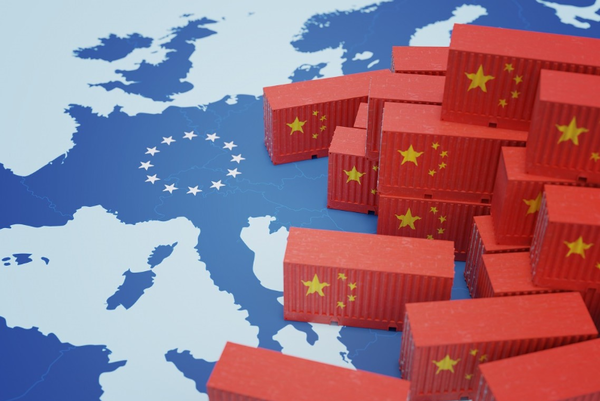
Starting in 2026, the EU will impose carbon fees on imports of cement, iron, steel, aluminum, and fertilizers from countries with weaker emissions standards. EU domestic products face a cost of around €80 per ton of CO₂.
European high-energy-intensive industries have expressed concern that the Carbon Border Adjustment Mechanism (CBAM) may be too lenient on high-emission imports from China, Brazil, and the US. The main issue lies in foreign producers not providing precise emissions data, forcing the EU to rely on default calculation values. Drafts indicate that default emissions for Chinese steel are sometimes lower than EU equivalents, raising criticism that low defaults could reduce incentives for clean production and harm EU competitiveness. CBAM Alliance Acting Chair Leon de Graaf emphasizes that default values should be set high to ensure compliance.
In response, Chinese media highlighted China’s steel sector green transformation, noting that by 2024, 660 million tons of capacity had implemented energy efficiency benchmarking, saving 10.5 million tons of standard coal and reducing 27.5 million tons of carbon annually—equivalent to the carbon absorption of 570 million trees. China’s Ministry of Commerce has urged the EU to ensure fairness, transparency, WTO compliance, and to avoid protectionism or trade barriers.










Please first Loginlater ~