

Digitalisation and Integrated Forming Technologies Reshape Fastener Manufacturing
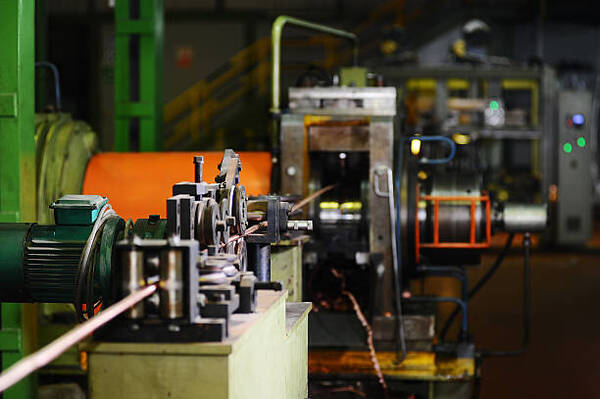
As global manufacturing accelerates its shift toward digitalisation and smart production, the fastener industry is increasingly adopting advanced simulation technologies and integrated forming systems to improve efficiency, reduce costs and enhance production reliability.
Traditionally, forming process development relied heavily on trial-and-error methods. Today, AI-enhanced finite element simulations allow manufacturers to optimise forming sequences, tooling configurations and material flow before production begins. By analysing factors such as force distribution, tool stress and energy requirements, digital tools help identify efficient and reliable production setups while reducing development time and costly physical trials.
Digital engineering is also enabling the creation of “digital twins” of forming processes. These virtual models allow manufacturers to perform collision checks, verify machine compatibility and evaluate load distribution prior to installation, helping shorten commissioning times and improve production stability.
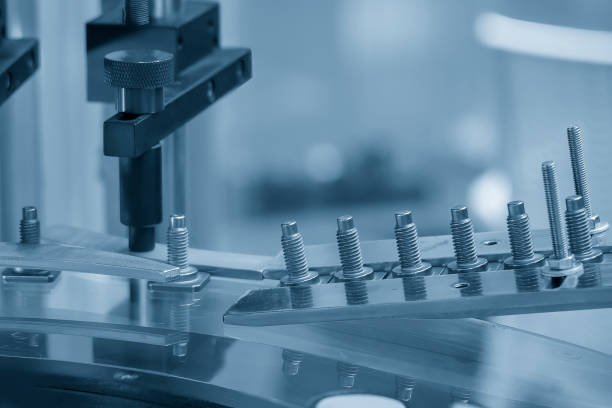
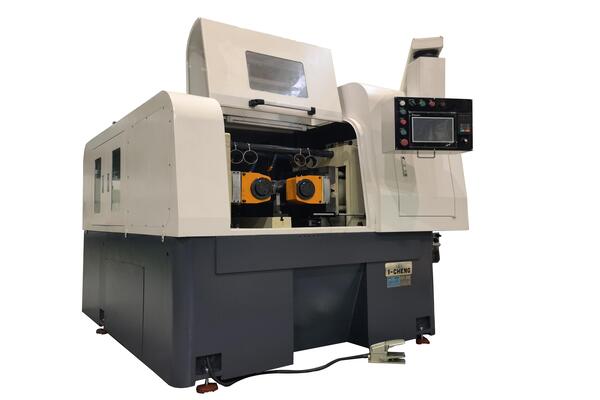
At the same time, the industry is showing growing interest in integrated machine solutions that combine multiple processes into a single platform. By integrating heading, pointing and thread rolling operations within one machine, manufacturers can produce finished fasteners directly from wire in a continuous process. This approach supports lean manufacturing by simplifying production lines, saving floor space and improving equipment efficiency.
Modular machine designs are also becoming more important, allowing manufacturers to quickly switch between product types and respond more flexibly to changing market demand.
In addition, warm forming technology is gaining attention for processing high-strength materials used in aerospace and high-temperature automotive applications. By combining advanced forming controls with induction heating systems, manufacturers can precisely manage material deformation and produce near-net-shape components with high consistency.
As the fastener industry continues to evolve, digital simulation, integrated machine platforms and advanced forming technologies are expected to play an increasingly important role in improving productivity and strengthening global competitiveness.












Please first Loginlater ~