

Global Industrial Fasteners Market Outlook: Electrification and Lightweighting Drive a New Growth Cycle
The global industrial fasteners market is expected to surpass USD 110 billion in 2026 and reach over USD 156 billion by 2033, growing at a CAGR of around 5.1%. The expansion is driven not only by recovery in traditional infrastructure and manufacturing, but also by structural demand shifts from electrification, energy transition, and the upgrade of high-end industrial equipment.
Market Structure: Metal Dominance and Core Demand from Automotive and Infrastructure
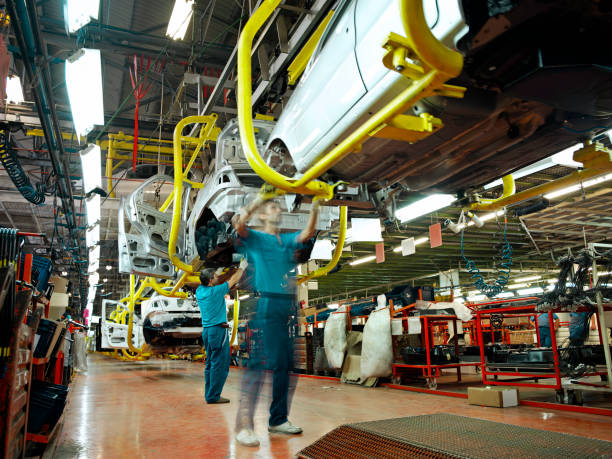
Metal fasteners continue to dominate the market, accounting for more than 90% of total share due to their strength, durability, and wide applicability. Among downstream sectors, automotive manufacturing and construction infrastructure remain the two key demand pillars. In particular, the rise of electric vehicles is reshaping technical requirements, with battery systems demanding higher standards in thermal management, vibration resistance, and sealing performance, significantly increasing demand for specialty fasteners.
Technology Trends: Shift Toward Lightweighting, High Performance, and Customization
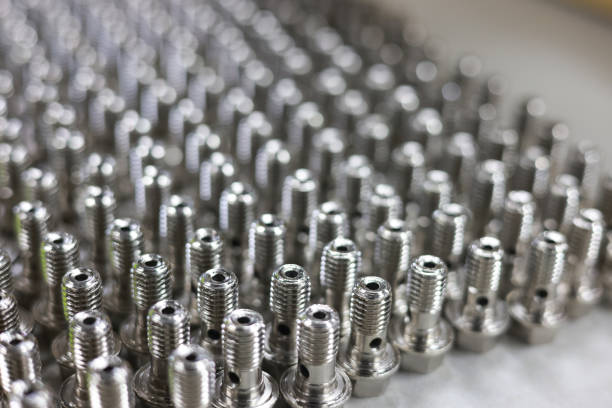
The industry is undergoing a clear transition toward lightweight and high-performance solutions. Materials such as aluminum alloys, titanium alloys, and advanced composites are increasingly adopted to reduce weight while maintaining mechanical strength and durability. At the same time, customer demand is shifting from standardized products to customized engineering solutions, requiring suppliers to provide structural design capability and application-level technical support, which is becoming a key source of value-added competitiveness.
Regional Markets: North America Maintains Leadership, Asia-Pacific Drives Growth
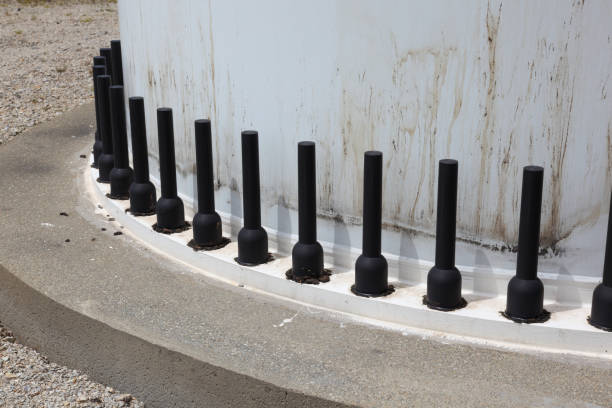
North America remains the largest regional market, supported by mature automotive, aerospace, and defense industries, as well as strict quality standards and stable supply chains. In contrast, Asia-Pacific is the fastest-growing region, led by China’s strong manufacturing base, India’s capacity expansion and domestic demand growth, and Japan’s high-precision manufacturing strength. Continued industrialization and infrastructure investment across the region are expected to sustain strong demand growth.
Challenges and Responses: Cost Pressure, Customization Demand, and Supply Chain Resilience
Despite strong growth prospects, the industry continues to face challenges including raw material price volatility, increasing R&D investment pressure, and rising complexity in customized production. In addition, global trade uncertainty is pushing companies to strengthen supply chain resilience through diversified sourcing, regional production deployment, and digitalized inventory and logistics management.
The fastener industry is shifting from scale-driven expansion to quality-driven development. Electrification, lightweighting, and intelligent manufacturing are reshaping the value chain. Companies that invest in material innovation, precision engineering, and system-level solutions will be better positioned to capture the next phase of global market growth.

















Please first Loginlater ~