


Advanced Tooling Drives the Next Generation of High-Performance Fastener Manufacturing
As manufacturing industries continue to demand higher precision, longer tool life and greater production efficiency, tooling is playing an increasingly strategic role in modern fastener manufacturing. Once viewed primarily as production accessories, advanced tooling systems are now essential to achieving consistent quality, reducing downtime and supporting intelligent manufacturing.
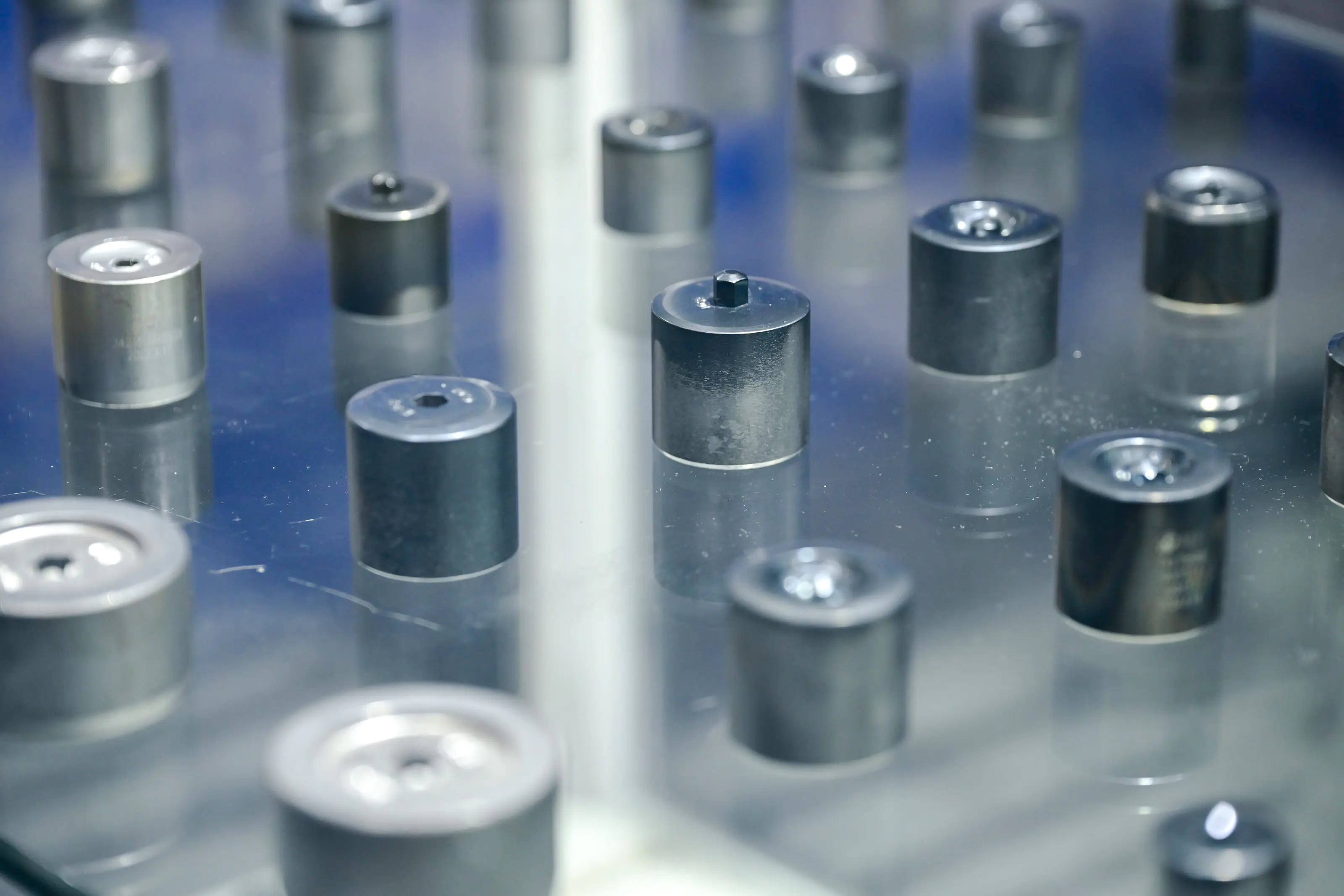
Today, manufacturers are placing greater emphasis on predictive engineering during the tooling development stage. By applying metal forming simulation software and Finite Element Analysis (FEA), engineers can evaluate material flow, stress distribution and potential wear areas before production begins. This digital-first approach helps optimise tool geometry, minimise trial-and-error during development and improve tooling performance under demanding forging conditions.
Material selection has also become a critical factor in extending tool life. High-performance materials such as tungsten carbide, high-speed steel (HSS) and premium tool steel are increasingly used in cold forging applications due to their excellent wear resistance, toughness and ability to withstand repeated cyclic loading. These materials help maintain stable production while reducing maintenance requirements and tooling replacement costs.
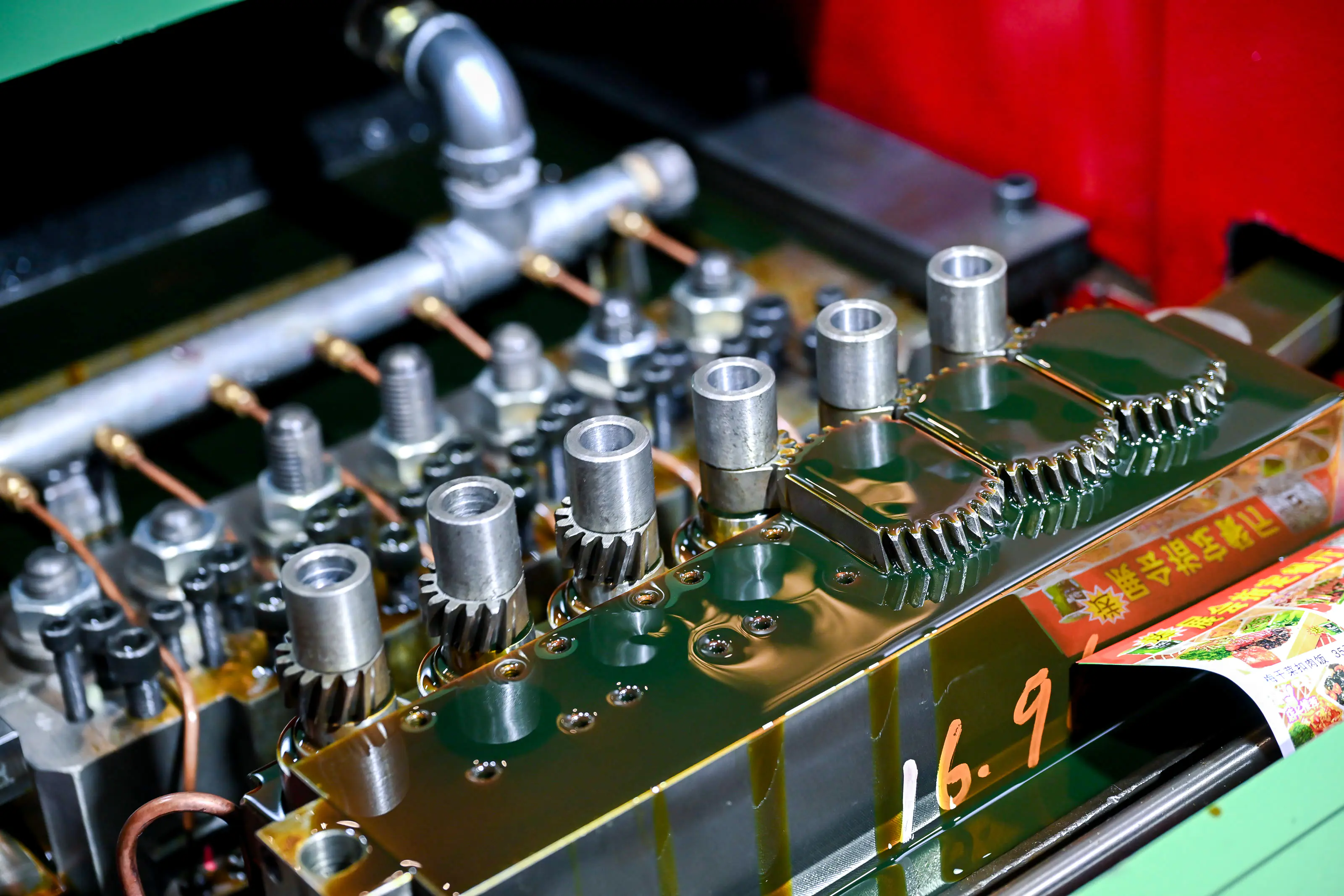
Heat treatment remains one of the most important processes in determining tooling performance. Carefully controlled quenching, tempering and cryogenic treatment can significantly improve hardness, core toughness and dimensional stability while reducing the risk of micro-cracking, deformation and premature failure under high mechanical stress. As manufacturers pursue longer production cycles and tighter tolerances, advanced heat treatment technologies continue to play a vital role in ensuring tooling reliability.
At the same time, precision machining technologies are evolving rapidly. Modern CNC machining centres and high-precision grinding systems enable manufacturers to produce complex die cores, punches and other tooling components with sub-micron accuracy. Combined with highly stable machine structures and automated machining processes, these technologies improve repeatability and help maintain consistent product quality throughout large-scale production.
Automation is becoming another defining trend in tooling manufacturing. Intelligent production systems, digital process control and automated machining are helping manufacturers reduce human error, increase equipment utilisation and achieve continuous 24/7 production. These improvements not only shorten lead times but also reduce material waste and energy consumption, supporting the industry's transition toward more sustainable manufacturing.
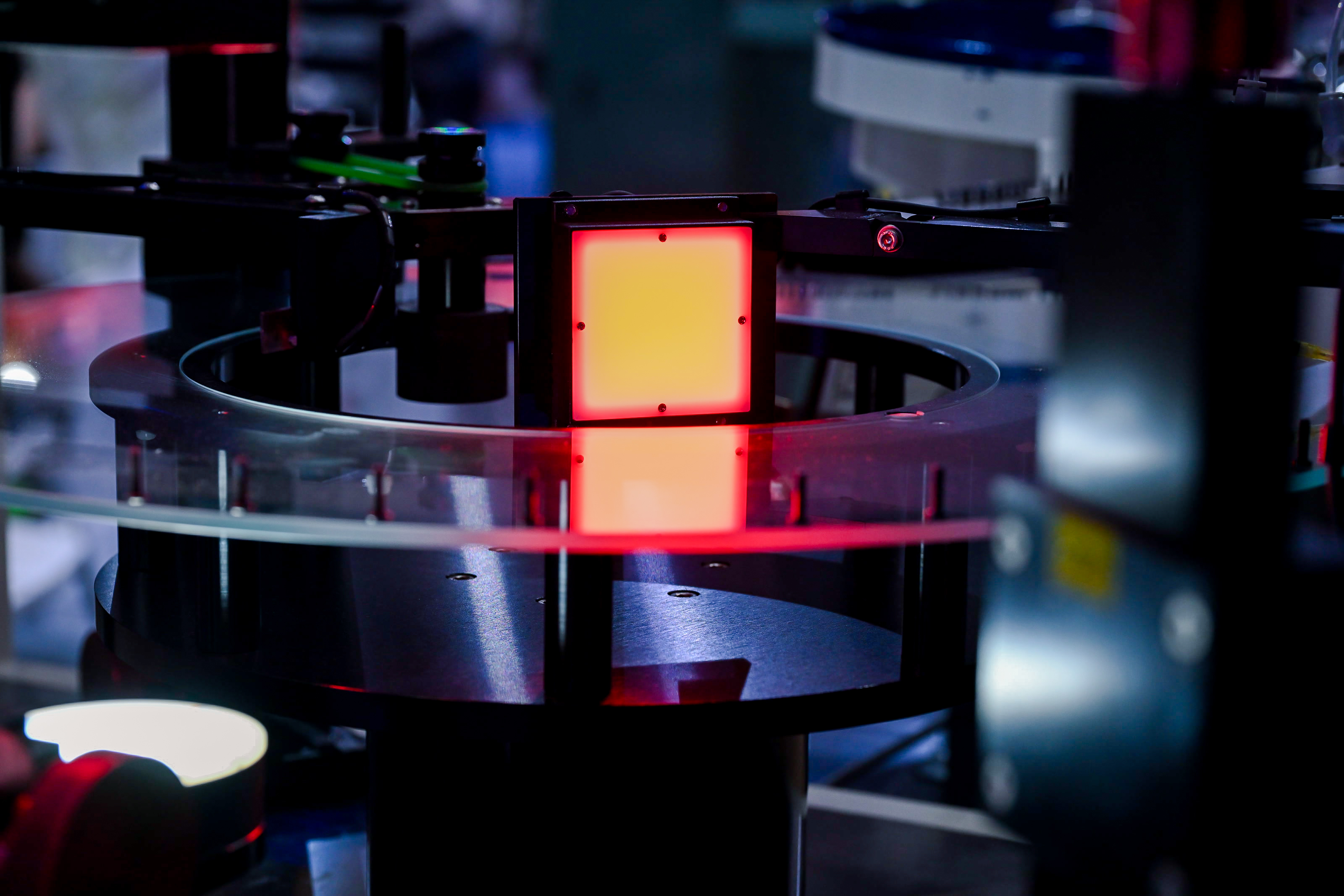
Quality assurance is also becoming increasingly data-driven. Advanced inspection equipment—including coordinate measuring machines (CMM), profile projectors, surface roughness testers and hardness testing systems—enables comprehensive quality verification throughout the manufacturing process. Together with digital production records and traceability systems, these technologies help ensure every tooling component meets increasingly demanding industry standards.
As demand for high-performance fasteners continues to grow across the automotive, new energy, aerospace, railway and industrial equipment sectors, investment in advanced tooling technologies is expected to accelerate. From digital simulation and material engineering to precision machining, automation and intelligent quality control, tooling innovation is becoming a key enabler of higher productivity, greater manufacturing reliability and long-term competitiveness across the global fastener industry.










Please first Loginlater ~