


One Wrong Bolt, 149 Vehicles Recalled: Why Fastener Selection Matters
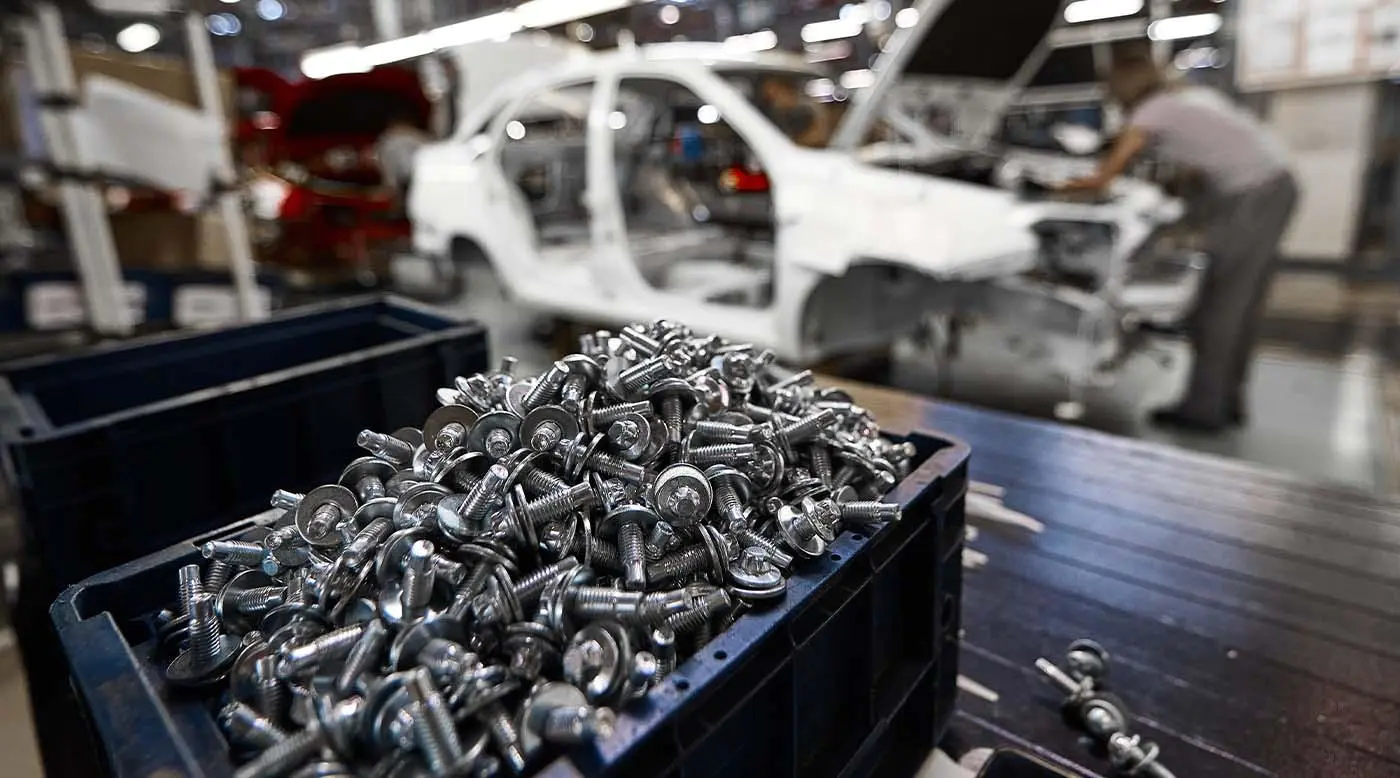
A recent automotive recall has once again highlighted an important lesson for the fastener industry: even the smallest fastener can have a major impact on product safety and reliability.
Nissan North America recently announced a recall involving 149 2025 Altima vehicles. According to reports, bolts intended for the Frontier pickup production line were mistakenly used during the assembly of some Altima vehicles. Although the two bolts appeared similar in terms of thread and length, they were not the fasteners specified for the Altima.
Why Can't a “Similar-Looking” Bolt Simply Be Used as a Replacement?
In different applications, fasteners that appear similar—even when they have comparable dimensions or thread specifications—may differ significantly in material, strength grade, mechanical properties, load-bearing capacity, and application requirements. In this case, although the incorrectly installed bolts could be assembled according to the production process, testing indicated that their material properties might not meet the requirements for the Altima's airbag mounting location.
If the fastener yields and cannot maintain sufficient load-bearing capacity when the airbag deploys, it could potentially affect the proper operation of the airbag system and create a safety risk. This incident serves as another reminder to automotive and equipment manufacturers: Fasteners may be small components, but they play a critical role in product safety, reliability, and manufacturing quality.
From product design and material selection to specification matching, supply chain management, assembly, and quality traceability, every step requires careful control.
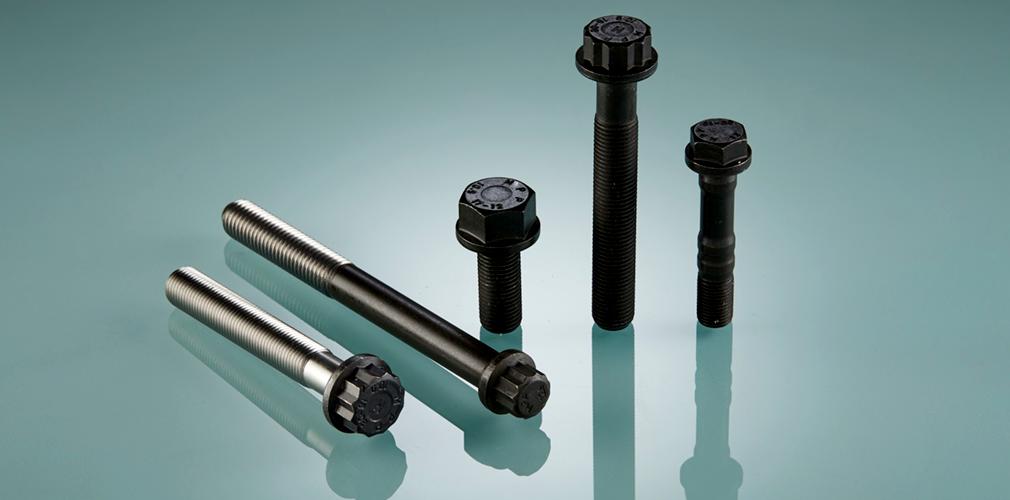
Choosing the Right Bolt Is Only the First Step
For industries such as automotive, aerospace, new energy, construction machinery, and energy equipment, fastener requirements are becoming increasingly demanding as products continue to evolve. High strength, lightweight design, corrosion resistance, precision manufacturing, and performance under demanding operating conditions are becoming key areas of development and innovation in the fastener industry.
So, how can manufacturers select the right fastener suppliers? How can they ensure that fastener products meet the required standards? And how can quality control and supply chain traceability be maintained from raw materials to finished products? These are questions that manufacturers need to keep asking.
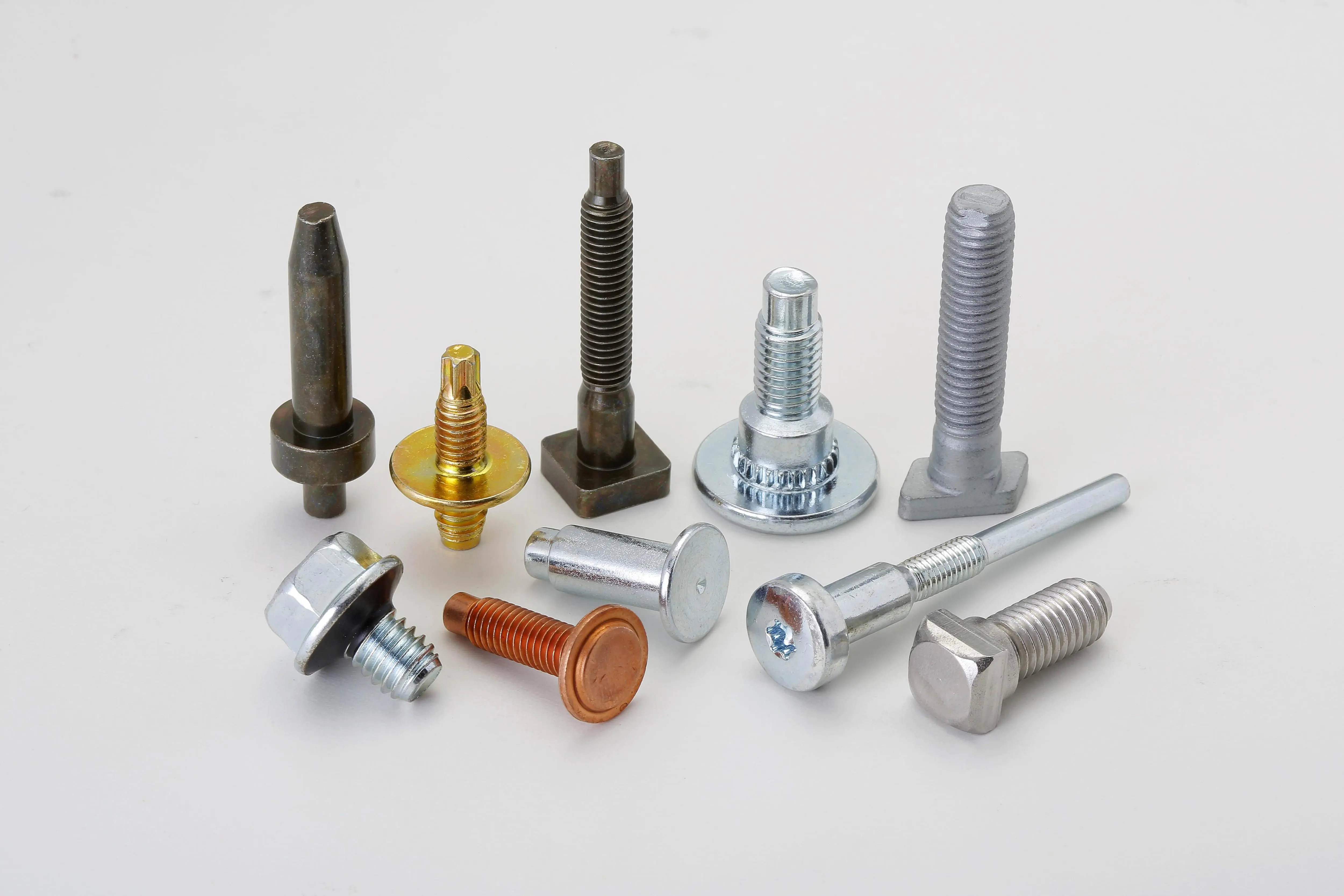
A single bolt may be only a small component of a vehicle or machine—but it can carry a responsibility far greater than its size suggests.










Please first Loginlater ~