


Gem-Year and Tong Ming Expand in Thailand: What Their Moves Mean for the Fastener Supply Chain
Two companies on the latest floor plan for the Thailand Fasteners & Hardware Tools Exhibition 2026 stand out for a reason: Tong Ming Enterprise Co., Ltd. at C03 and Gem-Year Industrial Co., Ltd. at D03 will be located next to each other, with both taking 36 m² raw-space booths.
Their presence in Bangkok comes at an interesting time. Both companies have been strengthening their position in Thailand, but through different approaches. Gem-Year is moving further into local manufacturing, while Tong Ming is strengthening local inventory and distribution. Together, their expansion reflects a broader shift in Thailand's fastener supply chain—from simply serving the market to building a more localized manufacturing and supply network.
Gem-Year: Moving Further into Local Manufacturing
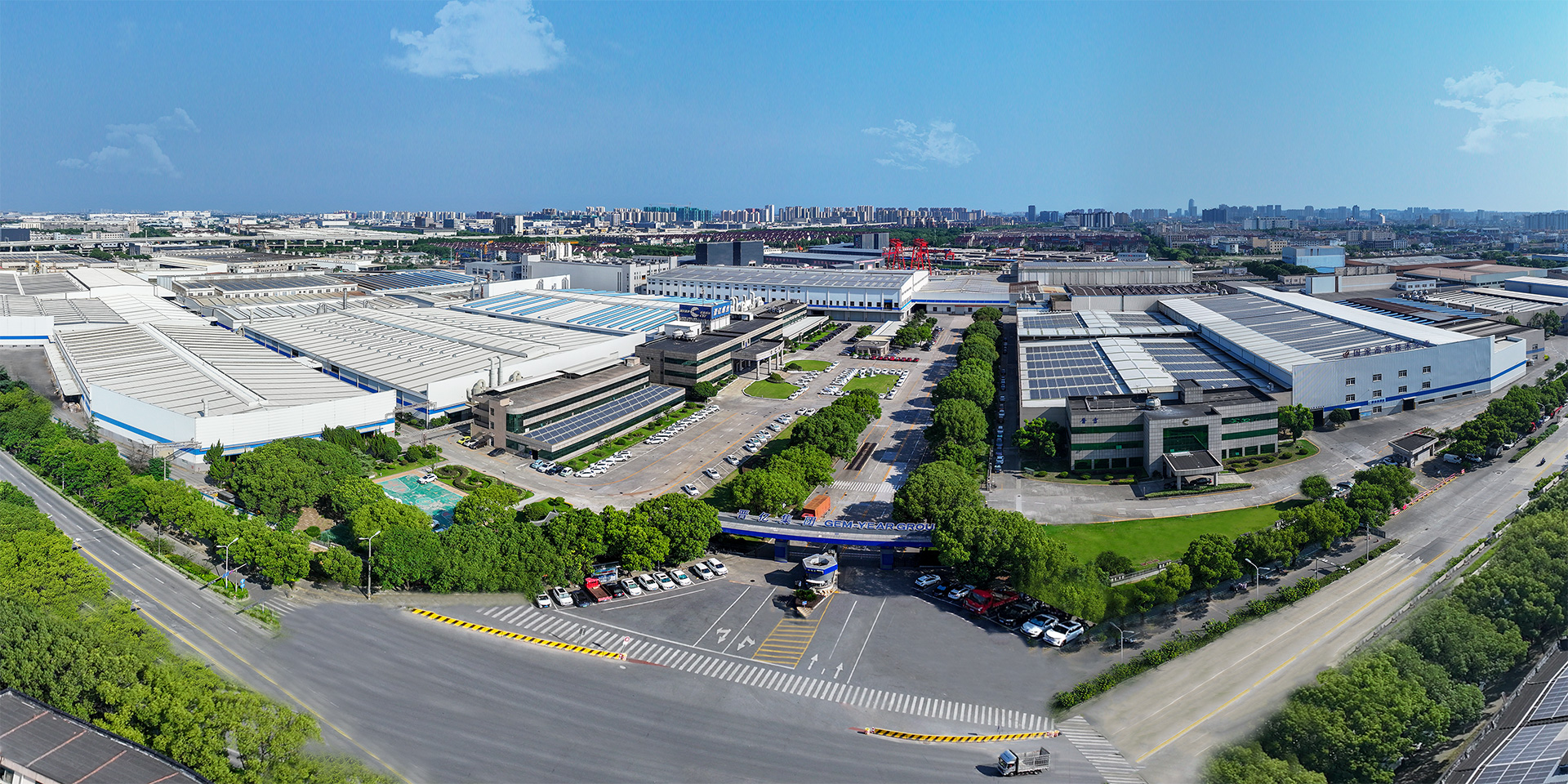 Gem-Year's latest financial results provide an important backdrop to its overseas expansion. According to the company's 2026 interim report, revenue for the first half of the year reached approximately RMB 1.24 billion, up 4.45% year on year. Net profit attributable to shareholders increased 76.82% to approximately RMB 207.5 million, while net cash flow from operating activities rose 117.99%.
The company has been expanding its focus across automotive, new energy, rail transportation and other industrial applications. This direction is particularly relevant to Southeast Asia, where automotive production, EV manufacturing and infrastructure investment are creating demand for higher-performance fastening products.
Gem-Year Group established GEM-YEAR INDUSTRIAL CO., LTD. in Thailand in March 2025, with registered capital of THB 1.38 billion. Unlike a representative office or sales operation, the Thai subsidiary is positioned as a manufacturing entity, indicating a longer-term commitment to developing production capacity in the region.
Local manufacturing can bring several advantages, including shorter lead times, greater flexibility for local orders, closer cooperation with regional manufacturers and reduced dependence on long-distance shipments. As Thailand's industrial base continues to develop, these factors can become increasingly important for fastener suppliers.
Tong Ming: Strengthening Local Inventory and Distribution
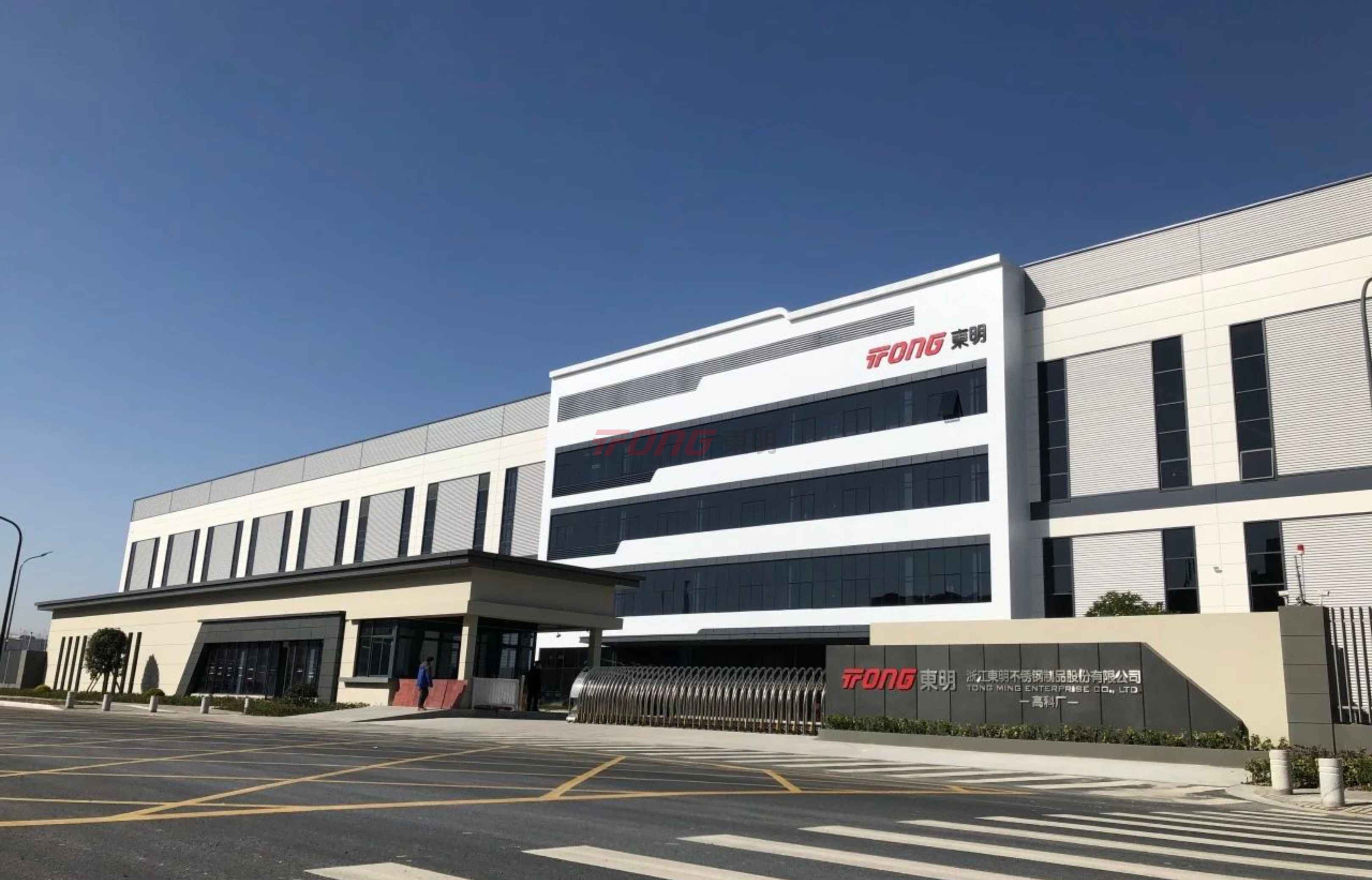 Tong Ming is taking a different approach. The group has operated manufacturing facilities in Thailand for years through Tong Heer Fasteners (Thailand), which produces stainless steel fasteners including bolts, screws and other threaded products.
More recently, Tong Ming has also strengthened its local logistics and inventory capabilities. In April 2026, Tong Ming Fasteners Co., Ltd. announced that it had obtained the right to use a 1,200 m² property in Thailand as an additional local operating and inventory base.
The move highlights another important aspect of supply-chain localization. Fasteners are purchased across a large number of specifications, and industrial customers and distributors often need reliable stock availability and quick replenishment. Maintaining inventory closer to customers can therefore help reduce waiting times and improve delivery responsiveness.
While Gem-Year is expanding manufacturing capacity, Tong Ming is strengthening the inventory and distribution side of the supply chain. The two approaches are different, but both point toward deeper local integration.
What a Localized Fastener Supply Chain Needs
The expansion of major fastener companies can create demand well beyond the production line itself. A localized manufacturing operation requires a supporting network covering materials, tooling, heat treatment, surface treatment, testing, packaging, equipment maintenance and logistics.
High-quality wire rod and steel materials are essential for producing consistent fasteners, while cold-heading dies, punches and thread-rolling dies are important production consumables. Heat treatment and surface treatment are also critical for products requiring specific mechanical performance, corrosion resistance or application requirements.
As local manufacturing expands, testing, inspection and certification services can become increasingly important, particularly in automotive, infrastructure and industrial applications. At the same time, warehousing, packaging, transportation and inventory management provide the infrastructure needed to connect manufacturers with customers.
This means that opportunities created by fastener localization are not limited to large manufacturers. Smaller and mid-sized companies can also participate through specialized products and services such as tooling, heat treatment, testing, packaging, logistics, equipment maintenance and technical support.
Why Thailand?
Thailand has long been an important manufacturing base in Southeast Asia, particularly for the automotive industry. The development of the Eastern Economic Corridor (EEC) has further strengthened industrial activity in provinces such as Chonburi and Rayong, attracting investment across automotive, EVs, electronics, machinery, energy and other manufacturing sectors.
For fastener companies, this creates demand across multiple application areas. Automotive and EV production requires a wide range of standard and specialized fasteners, while infrastructure projects need structural bolts, corrosion-resistant fasteners, anchors and other fastening systems. Machinery, electrical equipment and general industrial manufacturing also generate demand for diverse fastening products.
As regional supply chains become more integrated, customers are increasingly looking beyond product price. Quality, delivery, inventory availability and technical support are becoming important factors in supplier selection.
From Exporting to Becoming Part of the Local Supply Chain
The expansion of companies such as Gem-Year and Tong Ming also highlights an important consideration for companies looking to enter Southeast Asia. Once suppliers have been qualified and production systems established, supply-chain relationships can become relatively stable.
For companies considering Thailand, the question is therefore gradually shifting from “Can we export to Thailand?” to “How can we become part of the local supply chain?”
This does not necessarily mean building a factory. Companies can enter the market through materials, tooling, heat treatment, surface treatment, testing, logistics, warehousing, distribution or technical services. The key is identifying where their products or capabilities fit within the developing ecosystem.
Meet the Fastener Industry in Bangkok
Against this background, the participation of Gem-Year and Tong Ming at the Thailand Fasteners & Hardware Tools Exhibition 2026 provides a useful opportunity to observe how the Thai fastener market is developing.
The exhibition will bring together manufacturers, distributors, buyers and suppliers from the fastener, hardware and industrial sectors. The Fastener Zone will cover approximately 4,000 m², providing a dedicated platform for companies exploring Thailand and the wider ASEAN market.
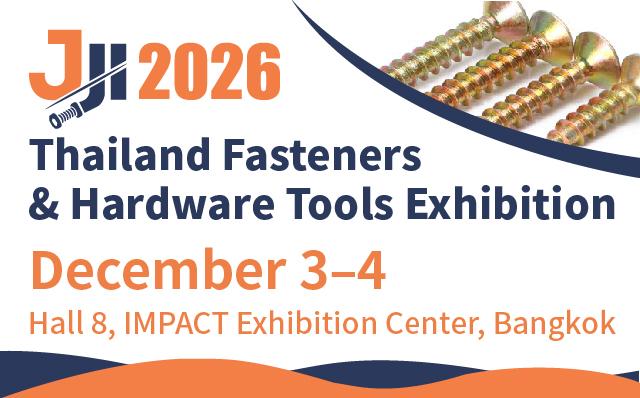
Thailand Fasteners & Hardware Tools Exhibition 2026
Date: December 3–4, 2026
Venue: Hall 8, IMPACT Exhibition Center, Bangkok, Thailand
The exhibition will cover 6,000 m² in total, including a 4,000 m² Fastener Zone, with 200+ exhibitors and 8,000+ professional visitors expected. It will be held alongside the Thailand International Hardware, Electromechanical & Tools Trade Exhibition, creating opportunities for cross-sector business connections.
Key sectors: Fasteners | Hardware | Tools | Electromechanical Products | Automotive | EV & New Energy | Construction | Infrastructure | Machinery | Industrial Manufacturing
A Closer Look at Thailand's Fastener Supply Chain
Gem-Year and Tong Ming are approaching the Thai market from different directions. One is expanding manufacturing capacity, while the other is strengthening local inventory and distribution. Together, their developments point to the same underlying trend: Thailand's fastener supply chain is becoming increasingly localized.
For fastener manufacturers and supporting companies, this means opportunities are emerging not only at the end-user level, but throughout the supply chain. For companies exploring Thailand and ASEAN, December 3–4 in Bangkok will provide an opportunity to meet potential partners, understand local demand and gain a closer look at the region's evolving fastener supply chain.










Please first Loginlater ~