


EU Moves to Expand CBAM to Fasteners: What Exporters Need to Know
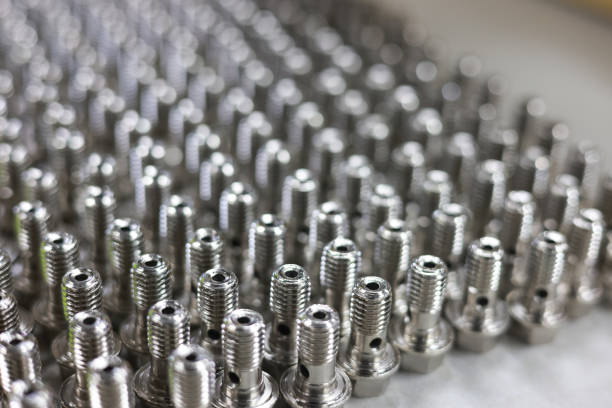 The European Union is moving forward with plans to expand its Carbon Border Adjustment Mechanism (CBAM) to a wider range of downstream industrial products, including fasteners, wire and springs. The development could have important implications for manufacturers and exporters supplying European customers, particularly those working with steel and aluminium products.
On September 15, 2026, the European Parliament adopted its negotiating position on proposed changes to CBAM, voting 464 in favour, 50 against and 159 abstentions. The proposal aims to extend the mechanism beyond basic materials to selected downstream products, addressing the risk that carbon-intensive production and emissions could shift further along the supply chain.
The European Parliament's position supports a broader product scope than the European Commission originally proposed. However, the legislation is not yet final, and further negotiations between EU institutions are needed before the revised rules can be confirmed.
What Is Changing Under CBAM?
CBAM is an EU policy designed to address carbon emissions associated with certain imported goods and support a more level competitive environment between EU producers and overseas suppliers. Its existing scope covers sectors including iron and steel, aluminium, cement, fertilisers, electricity and hydrogen.
The proposed expansion would bring additional steel- and aluminium-intensive downstream goods into the mechanism. Fasteners, wire and springs are among the product categories identified in the legislative discussions.
According to the European Commission's proposal, the expanded scope is intended to apply from January 1, 2028, subject to the final legislative process. The proposal also includes stronger measures to prevent circumvention, helping ensure that changes to product composition or origin do not improperly avoid CBAM obligations.
For the fastener industry, the key issue is whether specific products exported to the EU will fall within the final scope. Not every fastener should automatically be assumed to be covered: the applicable product classifications and final legal provisions will determine which goods are affected.
Why Does This Matter to Fastener Manufacturers?
Fasteners are widely used across automotive manufacturing, machinery, construction, infrastructure and other industrial applications. Many products are made from steel or stainless steel, making carbon-related requirements an increasingly relevant consideration in international supply chains.
If selected downstream fasteners are included in the final CBAM framework, exporters may face greater demands for emissions-related information and closer scrutiny of their production and sourcing data. The practical impact will depend on the final product list, reporting requirements and the allocation of responsibilities between EU importers and their overseas suppliers.
For manufacturers supplying European buyers, carbon-related information could become a more important part of customer communication and supplier evaluation. Companies that can provide consistent and traceable production data may be better prepared to respond to changing procurement requirements.
At the same time, the extent to which additional costs affect individual suppliers will depend on factors such as product classification, production processes, embedded emissions and the final rules. It is therefore too early to conclude that all fastener exporters will face the same level of impact.
Three Areas Exporters Should Monitor
- Product classification and regulatory scope
Manufacturers and trading companies should monitor the final list of covered products and the relevant customs classifications. Identifying whether individual screws, bolts, nuts, washers or other components are included will be essential before making changes to export arrangements.
- Emissions data and supply-chain transparency
Companies can begin reviewing the availability of production and emissions-related information from their own facilities and upstream material suppliers. Better data management can help businesses respond more efficiently to requests from European customers if new requirements apply.
- Customer communication and compliance planning
Exporters should maintain communication with their EU importers and customers regarding product classifications, data expectations and implementation timelines. Any compliance measures should be based on the final legislation rather than assumptions about the proposed expansion.
Looking Ahead
The proposed CBAM expansion reflects a broader shift in international industrial trade, where environmental requirements and supply-chain transparency are becoming more closely connected with market access.
For the fastener industry, the immediate priority is to follow the legislative negotiations and establish which products and businesses will be affected by the final rules. Manufacturers and exporters that begin reviewing their product data, sourcing records and emissions information now can prepare more effectively for potential changes.
As European customers continue to assess cost, quality, delivery reliability and compliance, regulatory awareness will remain an important part of international fastener trade.










Please first Loginlater ~