


Thailand’s Proposed EV Tax Reform Puts Local Automotive Supply Chains in Focus
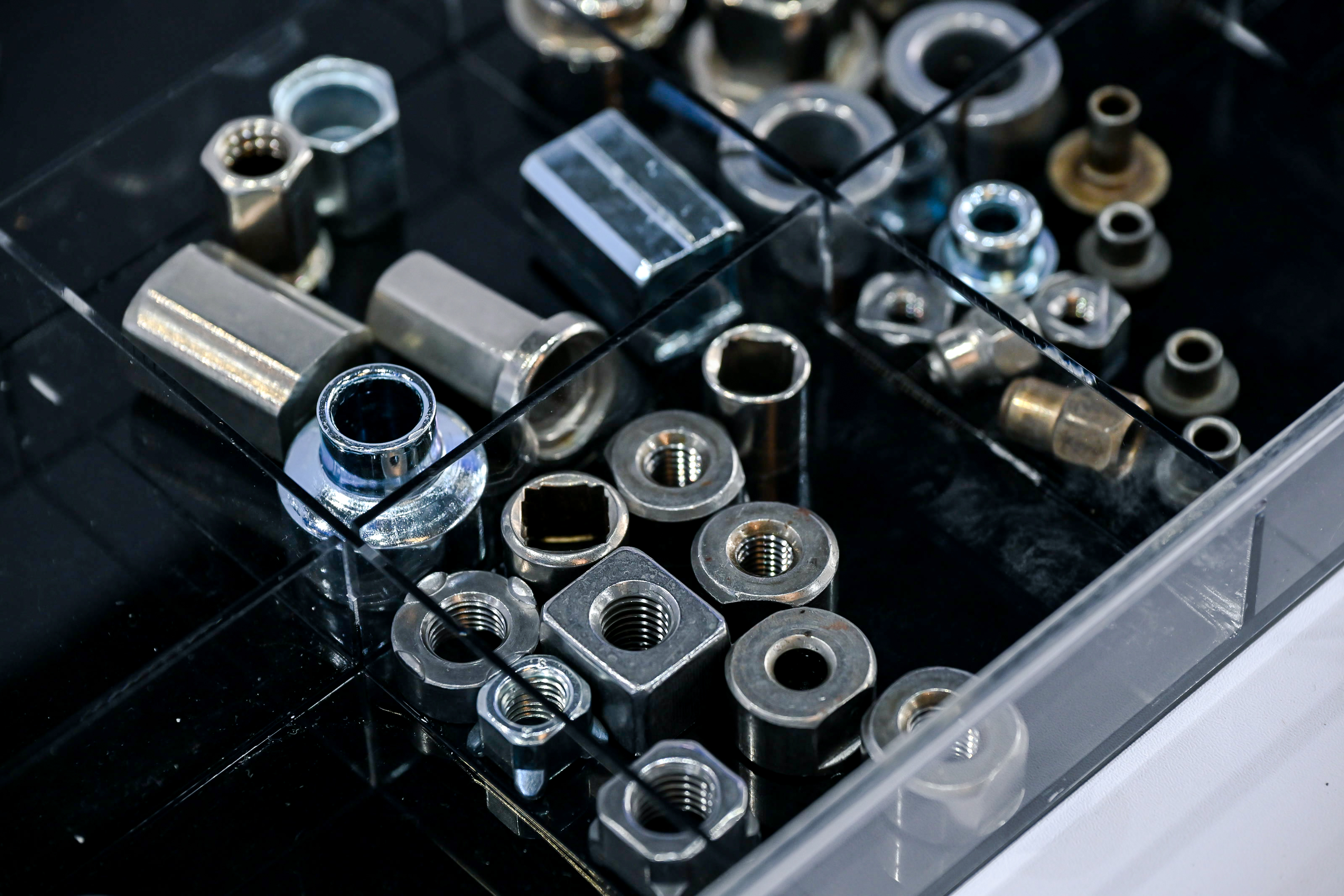 Thailand’s automotive industry is entering a new phase of development as the government seeks to encourage domestic EV production, attract long-term investment and strengthen local parts manufacturing.
Thailand is moving forward with plans to restructure vehicle excise taxes, with the proposed framework placing greater emphasis on domestic manufacturing, local investment and the use of locally produced automotive components. The policy direction reflects the government’s broader ambition to strengthen Thailand’s position as a regional automotive manufacturing and export hub.
According to The Nation Thailand on October 8, 2026, the Cabinet has acknowledged a proposal to revise vehicle excise taxes. Under the proposed framework, imported vehicles could face higher tax rates, while vehicles manufactured locally may qualify for more favourable rates depending on investment and domestic value creation. The detailed measures remain subject to the government’s approval process.
Encouraging Investment and Local Parts Production
The proposed reform aims to address challenges facing Thailand’s automotive industry as imported electric vehicles increase competition for domestic manufacturers. By linking tax treatment more closely to local manufacturing and investment, the government hopes to encourage automakers to establish or expand production facilities in Thailand.
The policy direction also highlights the importance of developing domestic suppliers and increasing the use of locally produced components. For Thailand, this means not only attracting vehicle assembly operations, but also strengthening the wider industrial ecosystem that supports automotive production.
As manufacturers adapt to the transition towards electric and other energy-efficient vehicles, supply-chain collaboration and the development of higher-value components are becoming increasingly important.
Why This Matters for Fasteners and Industrial Suppliers
Automotive manufacturing relies on a broad range of components and production inputs, including bolts, nuts, screws, high-strength fasteners, precision tooling, metal parts and related hardware products.
As vehicle manufacturers and component suppliers strengthen their local operations, opportunities may emerge for industrial suppliers that can meet requirements for product quality, consistency, technical specifications and reliable delivery.
The transition towards electric vehicles is also changing manufacturing requirements. Suppliers need to understand evolving product specifications and build relationships with manufacturers, distributors and purchasing teams across the automotive supply chain.
For fastener manufacturers and hardware suppliers seeking to explore Thailand and the wider ASEAN market, keeping up with local industrial policy and manufacturing developments can help identify potential areas for business cooperation.
Connect with the Industry at Thailand Fasteners & Hardware Tools Exhibition 2026
Against this backdrop, industry exhibitions provide an opportunity for manufacturers, suppliers, distributors and buyers to meet, exchange information and explore potential business partnerships.
The Thailand Fasteners & Hardware Tools Exhibition 2026 will bring together suppliers of fasteners, hardware tools and related industrial products, creating opportunities for industry professionals to discover products, connect with potential partners and explore sourcing opportunities in Thailand and ASEAN. Whether you are looking for fastener suppliers, exploring new markets or seeking to expand your industrial network, the exhibition offers a platform to connect with industry professionals in Bangkok.
Thailand Fasteners & Hardware Tools Exhibition 2026
Date: 3–4 December 2026
Venue: IMPACT Exhibition Center, Hall 8, Bangkok, Thailand
Join us in Bangkok to explore new business connections and opportunities across the fastener and hardware industries.










Please first Loginlater ~