


European Automotive Supply Chain Localization: What It Could Mean for Fastener Manufacturers
 European Fastener Industry Calls for Broader Local-Content Measures
Europe’s automotive supply chain is facing renewed debate over local manufacturing, industrial competitiveness and sourcing strategies. On October 27, 2026, the European Industrial Fasteners Institute (EIFI) called on European policymakers to ensure that the proposed Industrial Accelerator Act (IAA) covers the entire automotive value chain, including components, intermediate manufacturing and small and medium-sized enterprises (SMEs).
In its new white paper, A “Made in EU” Safety Net for the European Fasteners Industry, EIFI argues that measures focused primarily on vehicle assembly may not adequately protect the manufacturers supplying essential components to the automotive sector.
The proposal reflects broader concerns about Europe’s industrial capacity and the competitive pressure facing domestic component manufacturers.
Why Automotive Fasteners Matter
Fasteners are essential components in vehicle production, supporting the assembly and performance of numerous automotive systems. Although individual fasteners may represent a small proportion of a vehicle’s overall value, their reliable supply is critical to manufacturing operations.
According to EIFI’s white paper, the competitive pressure on European fastener manufacturers has intensified, particularly since 2021. For fastener products not covered by anti-dumping measures, the European industry’s market share declined by seven percentage points between 2021 and 2025.
The paper also reports that a sample of 102 European fastener companies, representing 41.9% of the EU’s total fastener sold-production value in 2025, recorded a 12.2% decline in production volumes between 2019 and 2025.
These figures highlight the challenges facing parts of Europe’s fastener manufacturing base, particularly suppliers serving demanding automotive customers.
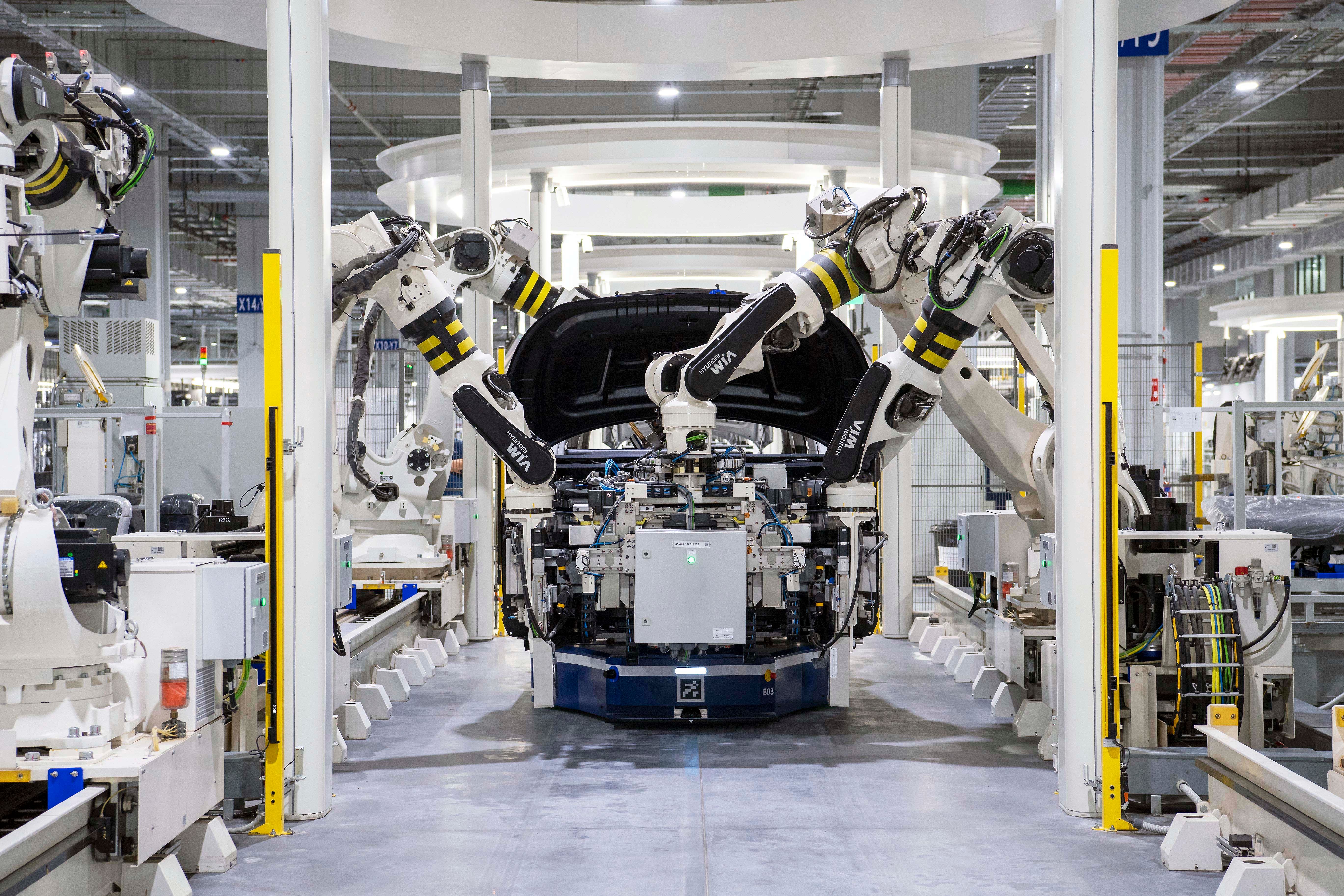
EIFI Proposes a 70% European-Content Threshold
One of the white paper’s key recommendations is a proposed 70% “Made in EU” requirement for automotive fasteners supplied to original equipment manufacturers (OEMs) and first-tier suppliers.
EIFI estimates that EU-made fasteners currently account for approximately 63% of fasteners purchased by the European automotive industry overall, rising to 72% in the automotive sector, according to its analysis.
The institute argues that a local-content framework covering components could help preserve existing European manufacturing capabilities and reduce the risk of production shifting away from the region.
However, the 70% threshold is an industry recommendation, not a confirmed legal requirement. The final scope and provisions of the Industrial Accelerator Act will depend on the EU legislative process.
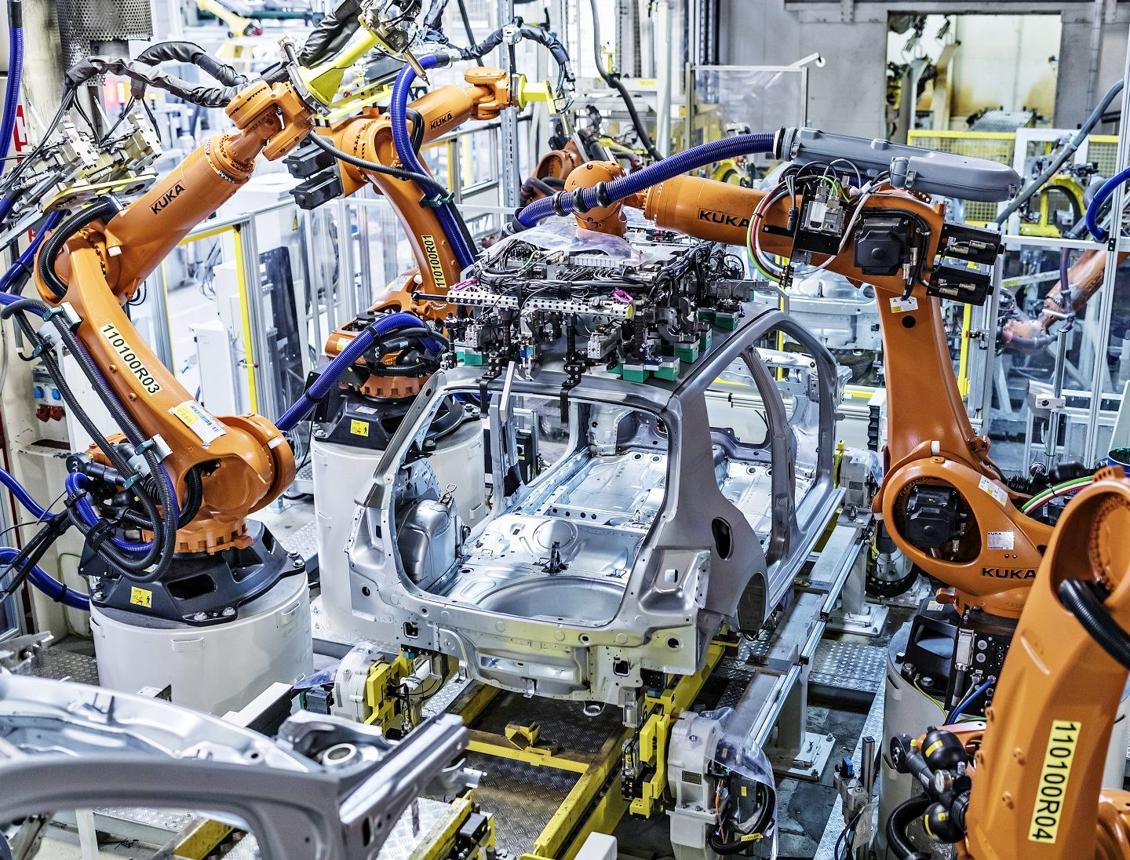
Potential Implications for Global Fastener Suppliers
The debate could have implications beyond Europe’s domestic manufacturers. If local-content requirements are incorporated into future legislation, automotive OEMs and their suppliers may need to review sourcing arrangements, component origins and supply-chain documentation.
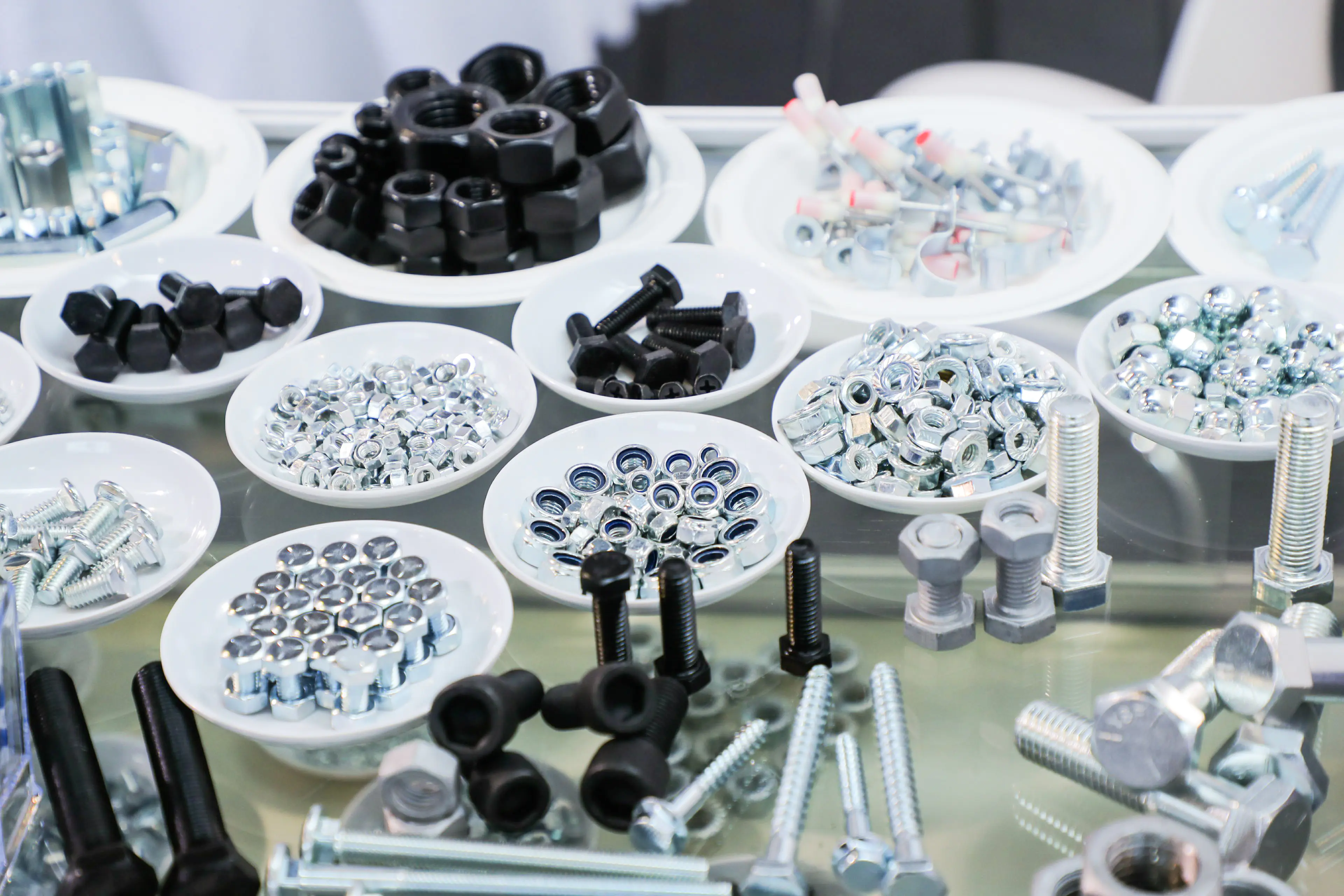
For international fastener manufacturers, several areas deserve attention:
Market access: Suppliers may need to assess how potential origin requirements could affect their eligibility for specific automotive supply programs.
Supply-chain planning: Manufacturers serving European customers may face greater scrutiny of production locations, sourcing arrangements and traceability.
Partnership opportunities: Cooperation with regional distributors, manufacturers and qualified suppliers could become increasingly important as buyers evaluate supply-chain resilience.
Competitive positioning: Quality, delivery reliability, technical capability and total cost will remain important considerations alongside any future regulatory requirements.
These are potential business implications rather than confirmed outcomes. The actual impact will depend on the final legislation, its implementation timeline and the requirements adopted by individual automotive customers.
Supply-Chain Resilience Remains a Strategic Priority
The discussion surrounding the Industrial Accelerator Act reflects a wider question for the automotive industry: how to balance cost competitiveness, international sourcing and regional manufacturing resilience.
For fastener manufacturers, staying informed about policy developments and maintaining flexible sourcing strategies can help support long-term business planning. Companies supplying automotive customers may benefit from reviewing their production capabilities, origin documentation and relationships with customers across different markets.
As the European policy debate continues, the proposed framework will be worth monitoring for manufacturers, distributors and buyers involved in the international fastener trade.
Entire Fastener Chain
One Stop to Source & Meet Suppliers in Asia










Please first Loginlater ~